


Industry Titanium Bar
Why Choose Us
High Quality
Our products are manufactured or executed to very high standards, using the finest materials and manufacturing processes.
Customized Services
We understand that each customer has unique manufacturing needs. That's why we offer customization options to cater to your specific requirements.
One-stop Solution
We can offer a range of services, from consultation and advice to product design and delivery. It is a convenience for the customers, as they can get all the help they need in one place.
Competitive Price
We offering a higher-quality product or service at an equivalent price. As a result we have a growing and loyal customer base.
What Is a Industry Titanium Bar?
An industry titanium bar refers to a bar made from titanium, which is a metal widely used in various industries due to its unique properties. Titanium is known for its high strength relative to its density, excellent corrosion resistance, and ability to withstand extreme temperatures. It is often used in applications where light weight and durability are essential, such as in aerospace engineering, medical implants, and sporting goods manufacturing.


Lightweight
One of the key benefits of industry titanium bars is their lightweight nature. Titanium has a low density, making it an ideal choice for industries that require materials with high strength but low weight. This property is especially beneficial in industries such as aerospace, automotive, and sports equipment manufacturing, where weight reduction is crucial.
High strength-to-weight ratio
Titanium bars exhibit an exceptional strength-to-weight ratio, offering a combination of strength, stiffness, and toughness. This property makes them suitable for applications where both durability and weight reduction are essential, such as in the construction of aircraft and spacecraft components, military vehicles, and high-performance sports equipment.
Corrosion resistance
Another notable advantage of industry titanium bars is their excellent corrosion resistance. Titanium forms a protective oxide layer on its surface, which enables it to withstand extreme conditions and resist corrosion from various corrosive environments, including seawater, chemicals, and acids. This feature makes titanium bars highly desirable for applications in offshore structures, chemical processing plants, and marine equipment.
High temperature resistance
Titanium bars have excellent high temperature resistance, allowing them to maintain their mechanical properties even at elevated temperatures. This property makes titanium bars suitable for applications that involve high temperatures, such as in gas turbines, power plants, and exhaust systems in automotive and aerospace industries.
Biocompatibility
Titanium is biocompatible, meaning it is non-toxic and does not react with human tissues or fluids. This property makes titanium bars an ideal material for medical applications, such as orthopedic implants, dental implants, and surgical instruments. The biocompatibility of titanium ensures that the body does not reject the material, promoting faster and more reliable healing.
Excellent fatigue resistance
Titanium bars exhibit exceptional fatigue resistance, making them highly suitable for applications where cyclic loading and stress are common. This property allows titanium bars to withstand repeated use without the risk of failure or deformation, making them ideal for industries such as automotive, aerospace, and heavy machinery manufacturing.
Non-magnetic
Titanium is a non-magnetic material, which is beneficial in industries such as electronics and telecommunications, where magnetic interference can be problematic. The non-magnetic property of titanium bars ensures that they do not interfere with magnetic fields, making them suitable for sensitive applications where magnetic neutrality is critical.
Types of Industry Titanium Bar
Aerospace Industry
Titanium bars are widely used in the aerospace industry due to their high strength-to-weight ratio. These bars are used in aircraft components, such as landing gears, wings, and engine parts. They provide excellent resistance to corrosion, making them suitable for aerospace applications.
Automotive Industry
Titanium bars find applications in the automotive industry, particularly in high-performance vehicles. They are used in the production of exhaust systems, suspension components, and engine parts. Titanium bars offer durability, lightweight properties, and resistance to high temperatures, enhancing overall vehicle performance.
Medical Industry
Titanium bars are extensively utilized in the medical sector for manufacturing medical implants. They are biocompatible and can be used in implantable devices like joint replacements and dental implants. Titanium's corrosion resistance and compatibility with the human body make it an ideal choice for medical applications.
Chemical Processing Industry
The chemical processing industry relies on titanium bars for their exceptional corrosion resistance. These bars are used in equipment and components that handle corrosive chemicals and high-temperature environments. Titanium bars offer reliability and longevity, reducing maintenance and replacement costs in chemical plants.
Oil and Gas Industry
Titanium bars find applications in the oil and gas industry due to their resistance to corrosive substances. They are utilized in offshore structures, pipelines, and equipment exposed to harsh marine environments. Titanium's strength and corrosion resistance contribute to the longevity and reliability of oil and gas infrastructure.
Sporting Goods Industry
Titanium bars are popular in the sporting goods industry due to their lightweight and durable nature. They are used in the production of sports equipment like golf club heads, tennis racket frames, and bicycle frames. Titanium bars provide increased strength without adding excessive weight, enhancing performance in sports activities.
Military and Defense Industry
The military and defense industry utilize titanium bars for various applications. These bars are used in military aircraft, armored vehicles, and naval equipment. Titanium's strength, low density, and resistance to extreme temperatures make it valuable in military operations.
Construction Industry
Titanium bars are employed in the construction industry for structural applications. They are used in the construction of bridges, high-rise buildings, and other infrastructure projects. Titanium's high strength and resistance to corrosion make it a reliable choice in demanding construction environments.
Application of Industry Titanium Bar


Aerospace industry: The aerospace industry is one of the primary sectors that heavily relies on titanium bars. Titanium bars are used in the manufacturing of aircraft frames, engine components, landing gears, and hydraulic systems due to their high strength-to-weight ratio, corrosion resistance, and ability to withstand extreme temperatures.
Automotive industry: Titanium bars find various applications in the automotive industry. They are used in the production of racing car components, exhaust systems, suspension systems, and drive shafts. Titanium bars provide weight reduction, improved performance, and increased fuel efficiency to the vehicles.
Medical industry: Titanium bars are extensively used in the medical field due to their biocompatibility and non-toxic nature. They are used in orthopedic implants, dental implants, pacemaker cases, and surgical instruments. Titanium bars ensure long-term durability and compatibility with the human body, reducing the risk of rejection or allergic reactions.
Chemical industry: The chemical industry utilizes titanium bars in equipment and piping systems that come into contact with corrosive chemicals. Titanium bars' resistance to corrosion allows them to resist the effects of various chemicals, making them suitable for chemical storage tanks, reactors, heat exchangers, and valves.
Marine industry: Titanium bars find applications in the marine industry due to their excellent resistance to saltwater corrosion. They are used in shipbuilding, offshore structures, propeller shafts, and seawater desalination plants. Titanium bars ensure long-term performance and reduce maintenance costs in marine environments.
Power generation industry: Titanium bars are utilized in power generation plants for various applications. They are used in steam turbines, heat exchangers, condensers, and cooling systems. Titanium bars' high strength and corrosion resistance make them suitable for the demanding conditions of power generation facilities.
Sports equipment: Titanium bars are used in the production of sports equipment such as golf clubs, tennis rackets, and bicycle frames. They offer lightweight construction, increased strength, and improved durability, enhancing the performance of athletes.
Oil and gas industry: Titanium bars are employed in the oil and gas industry for equipment that operates in harsh environments and is exposed to corrosive fluids and gases. They are used in offshore platforms, pipelines, and drilling equipment. Titanium bars provide resistance to corrosion, high temperatures, and pressure, ensuring reliable performance in the oil and gas sector.
Electronics industry: The electronics industry utilizes titanium bars in the manufacturing of electronic components, including smartphones, laptops, and cameras. Titanium bars provide structural strength, heat dissipation, and electromagnetic interference shielding, contributing to the overall performance and durability of electronic devices.
Construction industry: Titanium bars find usage in the construction industry for structural applications that require high strength and corrosion resistance. They are used in bridges, tunnels, and building facades, providing long-term durability and reducing maintenance costs.
Raw Material Acquisition: The first step is obtaining high-quality titanium ore. The ore is typically mined from deposits found in various parts of the world.
Ore Refining: The mined titanium ore is then subjected to a series of refining processes. These processes aim to remove impurities and unwanted elements from the ore.
Reduction Process: Once the ore is refined, it is further processed through a reduction reaction. Usually, the ore is reacted with chlorine or other compounds to form titanium tetrachloride.
Titanium Sponge Production: Titanium tetrachloride is then reacted with magnesium or sodium in a closed chamber to produce titanium sponge. The sponge form is porous and resembles a metallic sponge.
Sponge Melting: The titanium sponge is melted in a vacuum arc furnace or an electron beam furnace. The melting process helps to remove any remaining impurities and produce a more consistent titanium structure.
Ingot Casting: After the melting process, the titanium is cast into large solid ingots. These ingots are typically cylindrical or rectangular in shape and have a high purity level.
Billet Rolling: The ingots are heated and then rolled into billets. The rolling process helps to form the titanium into elongated shapes.
Bar Production: The billets are further heated and then forged into bars using specialized forging equipment. During the forging process, the bars are shaped and their grain structure is improved.
Heat Treatment: The forged titanium bars undergo a heat treatment process to enhance their mechanical properties. This process involves heating the bars to a specific temperature and then cooling them at a controlled rate.
Testing and Inspection: Once the bars have been formed and heat-treated, they are subjected to stringent testing and inspection procedures. These tests ensure that the bars meet industry standards for strength, purity, and dimensional accuracy.
Finishing Processes: Finally, the titanium bars undergo various finishing processes such as straightening, surface treatment, and cutting to size. These processes ensure that the bars are ready for use in various applications.
How to Use the Industry Titanium Bar
Understand the properties of titanium: Before using the industry titanium bar, it is important to have a good understanding of its properties. Titanium is a lightweight and strong metal that is highly resistant to corrosion. It also has excellent heat resistance and is biocompatible, making it suitable for a wide range of applications in various industries.
Determine the specific application: Titanium bars are commonly used in industries such as aerospace, automotive, chemical processing, medical, and marine. It is crucial to determine the specific application for which you will be using the industry titanium bar. This will help guide you in selecting the right size, grade, and shape of the titanium bar.
Select the appropriate grade: Titanium comes in different grades, each with its own specific composition and characteristics. The grade of the titanium bar you choose will depend on factors like the intended use, environmental conditions, and desired mechanical properties. Grade 5 (Ti-6Al-4V) is one of the most commonly used grades due to its high strength and corrosion resistance.
Consider machining requirements: If the industry titanium bar needs to be machined or fabricated before use, it is important to consider the machining requirements. Titanium has poor thermal conductivity and a tendency to work-harden, which can lead to tool wear and difficulty in machining. Therefore, appropriate cutting tools, coolants, and machining techniques must be employed to ensure successful machining.
Follow safety procedures: When working with the industry titanium bar, it is crucial to follow safety procedures. Titanium can form highly flammable chips and dust when machined, so proper ventilation and fire prevention measures should be in place. Personal protective equipment, such as gloves, safety glasses, and respiratory masks, should also be worn.
Ensure proper storage and handling: Proper storage and handling of the industry titanium bar is essential to maintain its quality. Titanium is highly reactive with oxygen, so it should be stored in an airtight container or vacuum-sealed packaging to prevent oxidation. The bar should also be handled with care to prevent any surface damage or contamination.
Seek professional guidance if needed: If you are unsure about any aspect of using the industry titanium bar, it is recommended to seek professional guidance. Titanium experts or engineers with experience in working with titanium can provide valuable insights and advice on the best practices for using the titanium bar in your specific application.
Quality: The quality of the industry titanium bar is of utmost importance. It is essential to ensure that the bar meets all the necessary standards and specifications. This includes checking for the appropriate grade, composition, and mechanical properties.
Supplier Reputation: It is crucial to source the industry titanium bar from a reputable supplier. Look for suppliers with a proven track record of delivering high-quality products and excellent customer service. Reading customer reviews and testimonials can help gauge the supplier's reliability.
Certification and Compliance: Verify that the industry titanium bar holds the necessary certifications and is compliant with relevant industry standards. This ensures that the product meets the required quality and safety standards.
Price and Value: While price is an important consideration, it should not be the sole determining factor. Compare prices from different suppliers to ensure a fair deal. It is also essential to assess the value offered – consider factors such as product quality, service, and additional benefits provided by the supplier.
Reliability and Timeliness: Consider the supplier's ability to deliver the industry titanium bar reliably and within the required timeline. Reliable suppliers should have efficient logistics and supply chain systems in place to ensure timely delivery.
Customization Options
Depending on specific project requirements, it may be necessary to consider suppliers who offer customization options for industry titanium bars. This allows for tailored solutions that meet the unique needs of the application.
Technical Support
Opt for suppliers who provide reliable technical support and assistance. They should be able to offer guidance on product selection, fabrication processes, and any other queries related to the industry titanium bar.
Long-Term Partnership
When purchasing industry titanium bars, it is wise to consider building a long-term partnership with the supplier. This can lead to better collaboration, reliability, and favorable terms and conditions for future purchases.
Certificate
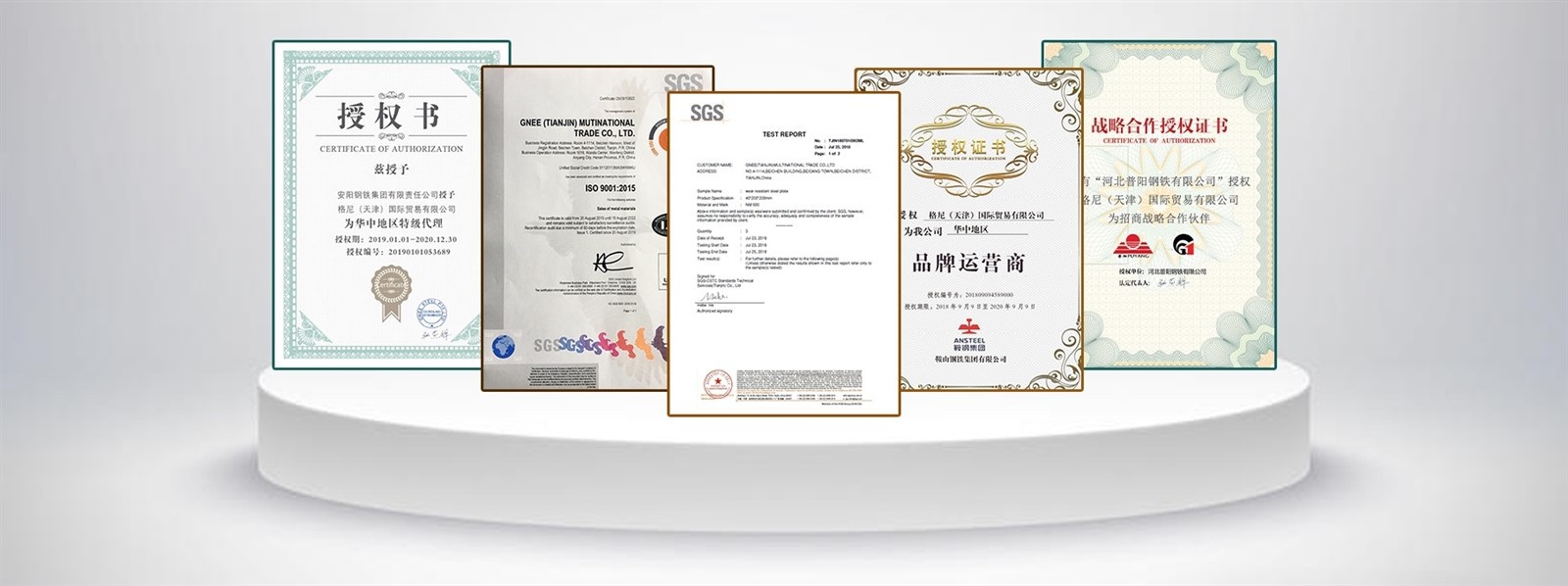
Our Factory
Our main products: Titanium plate,titanium rod,titanium pipe,titanium foil,titanium wire, etc. Gnee exports titanium to more than 70 countries, cooperates with over 800 companies in worldwide, among which are 15 shipyards, 143 project engineering companies, 23 boiler machinery manufacturers. Annual export capacity reaches over 80000 metric tons.


Frequently Asked Questions Industry Titanium Bar
Q: Does titanium spark when cut?
Q: What are the main uses of titanium bars in the industry?
Q: Why is titanium used in these industries?
Q: What industries use titanium the most?
Q: Can titanium bars be welded?
Q: Are titanium bars suitable for extreme temperatures?
Q: What are the different grades of titanium bars?
Q: What temp does titanium melt?
Titanium / Melting point
Titanium has a very high melting point, meaning that it won't liquify until it's reached 3,034 degrees Fahrenheit. In comparison, aluminum reaches its melting point at only 1,221 degrees Fahrenheit. Despite having this high melting point, it still does not surpass that of tungsten.
Q: Can titanium bars be coated or plated with other metals?
Q: Are titanium bars magnetic?
Q: Are titanium bars suitable for use in the human body?
Q: Can titanium bars be recycled?
Q: Are titanium bars easy to machine?
Q: What is the average lifespan of a titanium bar?
Q: Are there any safety precautions when working with titanium bars?
Q: Can titanium bars be used in seawater environments?
Q: Are there any limitations to using titanium bars?
Q: How should titanium bars be stored?
Q: Can titanium bars be colored or anodized?
Q: Are titanium bars suitable for structural applications?
Hot Tags: industry titanium bar, China industry titanium bar manufacturers, suppliers, factory, titanium, titanium rod industry, titanium rod applications, titanium rod for textile industry, aerospace titanium rod, titanium rod for rural design, titanium rod for plumbing
You Might Also Like


Send Inquiry