


Titanium Wire
Why Choose Us
High Quality
Our products are manufactured or executed to very high standards, using the finest materials and manufacturing processes.
Customized Services
We understand that each customer has unique manufacturing needs. That's why we offer customization options to cater to your specific requirements.
One-stop Solution
We can offer a range of services, from consultation and advice to product design and delivery. It is a convenience for the customers, as they can get all the help they need in one place.
Competitive Price
We offering a higher-quality product or service at an equivalent price. As a result we have a growing and loyal customer base.
What Is a Titanium Wire?
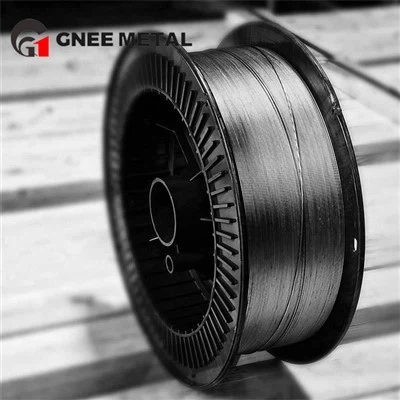
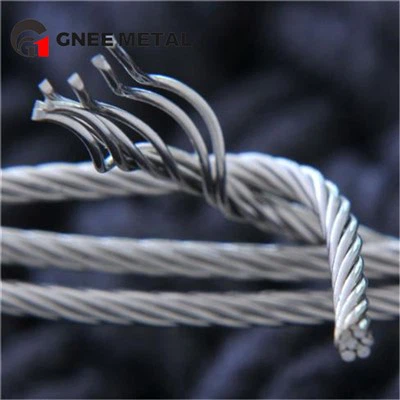
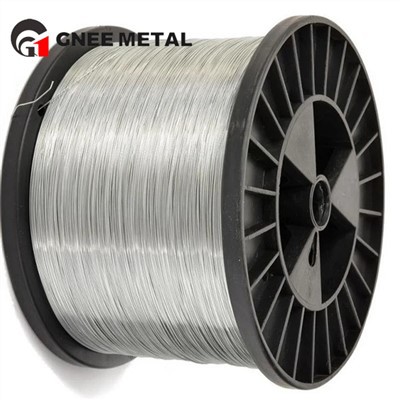
Titanium wire is a versatile engineering material that is produced by drawing titanium into a wire form, typically through extrusion and subsequent drawing processes. This wire is characterized by its high strength-to-density ratio, excellent corrosion resistance, and biocompatibility, making it suitable for a variety of applications.





High Strength
Titanium wire is known for its exceptional strength-to-weight ratio. It is as strong as steel, but about 45% lighter. This makes it a preferred choice in industries where weight reduction is critical, such as aerospace and automotive.
Corrosion Resistance
Titanium wire offers excellent resistance to corrosion, even in harsh environments. It forms a protective oxide layer on its surface, providing long-lasting durability. This corrosion resistance makes titanium wire ideal for applications in marine environments and chemical processing industries.
Biocompatibility
Titanium wire is biocompatible, meaning it does not react adversely with the human body. This property makes it suitable for medical and dental implants. Titanium wires are used in orthopedic implants, pacemakers, and dental braces, ensuring a long-lasting and safe solution for patients.
Heat Resistance
Titanium wire exhibits excellent heat resistance. It can withstand high temperatures without losing its mechanical properties. This property makes it valuable for applications in the aerospace industry, where it is used for engine components, as well as in chemical and process industries.
Non-Magnetic
Titanium wire is non-magnetic, which is advantageous in various fields, including medical, electronics, and defense industries. It can be used in MRI machines and electronic devices without interfering with their magnetic fields.
Low Thermal Expansion
Titanium wire has a low coefficient of thermal expansion, similar to that of certain glasses. This property makes it suitable for applications where dimensional stability is important, such as in precision instruments and optical devices.
Weldability
Titanium wire can be easily welded using various techniques, including TIG (tungsten inert gas) welding and resistance welding. This makes it a versatile material, allowing for easy fabrication and customization in various industries.
Aesthetics
Titanium wire has a unique, sleek appearance often favored in jewelry making. It can be anodized to give it vibrant, colorful finishes, adding to its appeal in the fashion industry.
Types of Titanium Wire
Commercially Pure Titanium Wire: This type of titanium wire is made of 99% pure titanium. It is known for its excellent corrosion resistance and is commonly used in applications involving chemicals, marine environments, and medical devices. Commercially pure titanium wire is available in various grades, such as Grade 1, Grade 2, Grade 3, and Grade 4, each offering specific properties and characteristics.
Titanium Alloy wire: Titanium alloys are a combination of titanium and other metals, such as aluminum or vanadium, to enhance specific properties. The titanium alloy wire offers improved strength, toughness, and heat resistance compared to pure titanium wire. It is used in applications where high strength and lightweight properties are required, such as aerospace parts, automotive components, and sporting equipment.
Beta Titanium Wire: Beta titanium refers to a specific type of titanium alloy that has a unique crystalline structure known as the "beta phase." Beta titanium wire exhibits excellent elasticity, shape memory, and biocompatibility, making it ideal for applications like orthodontic wires, surgical implants, and springs. This type of titanium wire can be easily bent and returned to its original shape.
Titanium Nitride-Coated Wire: Titanium nitride (TiN) is a hard, wear-resistant material that can be coated onto titanium wire surfaces. The TiN coating improves the wire's durability, hardness, and resistance to scratching and corrosion. Titanium nitride-coated wire finds extensive use in electronic components, cutting tools, and jewelry, as it provides an aesthetically appealing gold-colored surface.
Superelastic Titanium Wire: Superelastic titanium wire, also known as shape memory alloy wire, exhibits unique properties that allow it to return to its original shape after being deformed. This wire is commonly used in various medical applications, including dental braces, stents, and orthopedic implants. The superelasticity of titanium wire ensures comfortable and effective treatment due to its ability to exert constant forces.
Fine and Ultrafine Titanium Wire: Fine and ultrafine titanium wires have a smaller diameter than standard titanium wires. These wires are used in specialized industries, such as microelectronics, aerospace, and nanotechnology, where precise and delicate applications require high strength and flexibility in a small-scale form.
Welding Titanium Wire: Titanium welding wire is specifically designed for welding applications. It ensures strong and durable weld joints in various industries, including aerospace, automotive, and construction. Welding titanium wire offers good weldability, high heat resistance, and excellent corrosion resistance, making it suitable for joining titanium components.
Heat-resistant Titanium Wire: Heat-resistant titanium wire is engineered to withstand high temperatures without losing its properties or deforming. This wire type is commonly used in heating elements, furnace components, and high-temperature applications that require reliable performance in extreme conditions.
High Conductivity Titanium Wire: High conductivity titanium wire is alloyed with other metals to enhance its electrical conductivity. This wire type is commonly employed in electrical and electronic applications that require good conductivity, such as power transmission lines, electrical connectors, and circuit boards.
Application of Titanium Wire
Aerospace industry: Titanium wire is extensively used in the aerospace industry for various applications. It is used in the construction of aircraft and spacecraft due to its high strength-to-weight ratio and excellent corrosion resistance. Titanium wire is also used in the production of aircraft engines and parts, where its lightweight nature helps to increase fuel efficiency.
Medical field: Titanium wire finds significant application in the medical field. It is used for manufacturing surgical instruments, implants, and orthopedic devices. Due to its biocompatibility and non-toxic nature, titanium wire is often used for dental implants and prosthetics, as it can seamlessly integrate with the human body without causing any adverse reactions.
Chemical industry: Titanium wire is widely used in the chemical industry due to its resistance to corrosion and high temperatures. It is used for making heat exchangers, reactors, and other equipment that handle corrosive substances. Titanium wire's ability to withstand harsh environments and corrosive chemicals makes it a preferred choice in chemical processing plants.
Sports equipment: Titanium wire is utilized in the sports industry for various applications. It is used to manufacture lightweight, high-strength components for sports equipment such as tennis racquets, golf clubs, and bicycles. The use of titanium wire in sports equipment helps improve performance and durability while reducing overall weight.
Automotive industry: Titanium wire is utilized in the automotive industry for different purposes. It is used in the production of parts that require high strength and excellent resistance to corrosion, such as exhaust systems, suspension components, and engine valves. As titanium wire is lightweight and has excellent mechanical properties, it helps to enhance fuel efficiency and overall performance of vehicles.
Electronics industry: Titanium wire is employed in the electronics industry for its electrical conductivity and resistance to corrosion. It is used in the production of connectors, cables, and electronic components where high reliability and longevity are essential. Titanium wire's unique combination of properties makes it suitable for applications where electrical performance and protection against corrosion are crucial.
What Are The Drawing Technologies Of Titanium Wire?


Hot Drawing: This process involves heating the titanium wire to a specific temperature and then stretching it to the desired diameter. Hot drawing helps to eliminate internal stresses in the wire and improve its mechanical properties.
Cold Drawing: In this technique, the titanium wire is passed through a series of die openings to gradually reduce its diameter. Cold drawing is typically performed at room temperature or at a slightly elevated temperature. It helps to enhance the wire's surface finish and dimensional accuracy.
Hydrogen Annealing: After the wire has been drawn, it may undergo a hydrogen annealing process. This involves heating the wire in a controlled hydrogen atmosphere to relieve any residual stresses and improve its ductility. Hydrogen annealing also helps to enhance the wire's strength and increase its resistance to corrosion.
Straightening: Titanium wire may also be subjected to straightening processes after drawing. This process involves passing the wire through a series of rollers or other mechanisms to straighten any bends or deformations in the wire.
Coating: In some cases, titanium wire may undergo a coating process to further enhance its properties. This can involve the application of a protective coating, such as a ceramic or polymer film, to improve the wire's corrosion resistance or lubricity.
Testing and Inspection: Throughout the drawing process, quality control measures are implemented to ensure the wire meets the required specifications. This can involve conducting various tests, such as tensile strength testing, dimensional analysis, and visual inspection, to verify the wire's quality and integrity.
Purpose: Determine the intended use of the titanium wire before making a purchase. Different applications may require specific characteristics, such as strength, durability, or corrosion resistance.
Grade: Titanium wire is available in various grades, each having different mechanical properties and chemical compositions. Consider the grade that best suits your requirements, taking into account factors like tensile strength, elasticity, and thermal conductivity.
Size and Diameter: The size and diameter of the titanium wire should be chosen according to the desired application. Consider whether a thicker or thinner wire would be more suitable for your project, based on factors like load-bearing capacity or flexibility.
Surface Finish: The surface finish of titanium wire can vary from smooth to textured. Consider the aesthetics and functionality required for your project when selecting the appropriate surface finish.
Supplier Reputation: Ensure that you purchase titanium wire from a reputable supplier with a proven track record in providing high-quality products. Research the supplier's reputation, certifications, and customer reviews to verify their reliability and trustworthiness.
Price: While price is an important consideration, don't compromise quality for affordability. Compare prices from different suppliers while ensuring that the titanium wire meets the required specifications and standards.
Compliance with Standards: Confirm that the titanium wire you intend to buy complies with industry standards and regulations. These standards ensure that the wire is manufactured and tested to meet specific quality requirements, providing reliability and performance.
Availability and Delivery: Consider the availability and delivery options provided by the supplier. Ensure that the required quantity of titanium wire can be delivered within the desired timeframe to avoid project delays.
Technical Support: Check if the supplier offers technical support or assistance in selecting the right titanium wire for your application. Having access to expert advice can help ensure the optimal performance of the wire in your project.
Special Requirements: If you have any specific requirements, such as certifications for medical or aerospace applications, communicate them with the supplier to ensure that the titanium wire meets those standards.
Maintenance Tips for Titanium Wire
Clean regularly: Titanium wire should be cleaned regularly to remove any dirt, grease, or contaminants that may have accumulated on its surface. Use a mild detergent or soap and warm water to gently clean the wire. Avoid using abrasive cleaners or scrubbing too hard, as this may damage the wire.
Avoid exposure to chemicals: Titanium wire is known for its excellent corrosion resistance, but it is still important to avoid long-term exposure to harsh chemicals. Chemicals such as acids, alkalis, and strong cleaning agents can potentially cause damage to the wire. If contact with chemicals is unavoidable, ensure a thorough rinse with water afterward to remove any residue.
Handle with care: Titanium wire is relatively strong and durable, but it can still be damaged if handled improperly. Avoid rough handling, bending, or twisting of the wire. When working with titanium wire, always use appropriate tools and equipment to ensure safe handling and minimize the risk of accidental damage.
Store properly: When not in use, it is essential to store titanium wire properly to prevent any potential damage. Keep it in a clean, dry, and well-ventilated area, away from direct sunlight, extreme temperatures, and humidity. Consider using a designated storage container or a protective case to prevent any accidental scratching or bending.
Inspect regularly: Regular visual inspection of titanium wire is crucial to identify any signs of wear, damage, or corrosion. Look for any discoloration, pitting, or cracks on the surface of the wire. If any issues are detected, it is recommended to consult a professional for repair or replacement.
Use protective coatings: Applying a protective coating on titanium wire can offer additional protection against corrosion and wear. There are various options available, such as titanium anodizing or using specialized coatings. Consult with a professional or supplier to determine the most suitable coating for your specific application.
Use appropriate cleaning tools: When cleaning titanium wire, use soft bristle brushes, sponges, or cloths to avoid scratching the surface. Avoid using steel wool or wire brushes, as these abrasive materials can damage the wire.
Avoid excessive heat: Titanium wire has a relatively high melting point, but prolonged exposure to high temperatures can still cause damage. Avoid exposing the wire to open flames, excessive heat sources, or prolonged exposure to high-temperature environments.
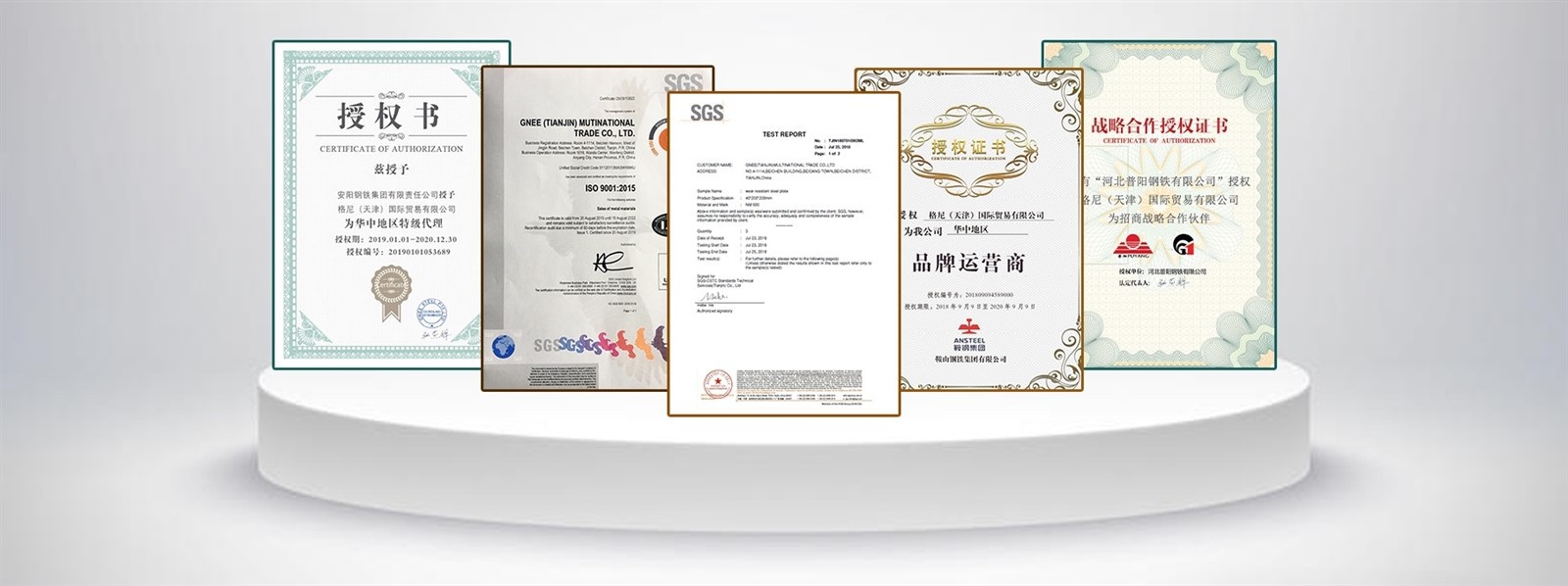
Certificate
Our Factory


Frequently Asked Questions Titanium Wire
Q: What is the use of titanium wire?
Therefore, titanium and titanium alloy wires are widely used in many fields such as the military industry, glasses, earrings, headwear, electroplating hangers, welding wires, aerospace, petrochemical, medical and health, automotive, construction, and sports and leisure products.
Q: Is titanium wire good for jewelry making?
Q: Is titanium wire magnetic?
Q: Does titanium wire tarnish?
Q: What is titanium wire?
Titanium wire can be manufactured in different sizes and strengths, depending on its intended use. It is often used in aerospace and military applications due to its high strength and low density. Additionally, it is used in medical implants and devices because it is non-reactive with bodily fluids and tissues.
The wire can be further processed through heat treatment or work hardening to achieve specific mechanical properties. It can also be alloyed with other elements like aluminum or vanadium to enhance its strength and temperature resistance.
In terms of manufacturing, titanium wire is produced by extruding titanium billets through dies of varying diameters to draw out the wire. The wire is then annealed to relieve internal stresses and improve ductility. Quality control processes are in place to ensure that the wire meets stringent specifications for tensile strength, elongation, and other mechanical properties.
Q: What are the properties of titanium wire?
Low Density: Despite its strength, titanium has a low density, making it one of the lightest metallic structural materials available. This makes it ideal for applications where weight is a critical factor, such as in aerospace or sports equipment.
Corrosion Resistance: Titanium wire is highly resistant to corrosion, even in harsh environments. It does not react with body fluids, making it suitable for medical implants and surgical instruments.
Biocompatibility: Titanium wire is non-toxic and does not produce harmful reactions within the human body, which is why it is widely used in orthopedic and dental implants.
Creep Resistance: At high temperatures and under load, many metals suffer from creep, which is a slow, permanent deformation. Titanium wire maintains its strength and structural integrity at elevated temperatures, making it suitable for use in engines and turbines.
Heat Treatability: Titanium wire can be heat treated to alter its mechanical properties, such as hardness and tensile strength, allowing for customization based on specific application requirements.
Fatigue Resistance: Titanium wire demonstrates excellent fatigue resistance, meaning it can withstand repeated stress without failure, which is crucial for components that experience fluctuating loads, such as those in the aerospace industry.
Low Thermal Expansion Coefficient: Titanium has a relatively low coefficient of thermal expansion, which means it expands minimally when subjected to temperature changes, providing stability in precision components.
Workability: Titanium wire can be machined and formed into complex shapes without cracking or breaking, although it requires special tools and techniques compared to softer metals.
Electrical Conductivity: While not as conductive as copper or aluminum, pure titanium wire has enough electrical conductivity for certain applications where lightweight and corrosion resistance are advantageous.
Recyclability: Titanium is a sustainable material that can be recycled without losing its inherent qualities, contributing to environmental conservation efforts.
Q: What are the different types of titanium wire available?
Q: Where is titanium wire used?
Q: Can titanium wire be used in medical implants?
Q: Is titanium wire suitable for jewelry production?
Q: How can titanium wire be shaped or formed?
Q: Is titanium wire flammable?
Q: Are there any precautions to take when using titanium wire?
Q: Is titanium wire expensive?
Q: Can titanium wire be recycled?
Q: Can titanium wire be used in electrical applications?
Q: Does titanium wire require any special maintenance?
Q: Can titanium wire be used in marine environments?
Q: Is titanium wire magnetic?
Q: Where can I purchase titanium wire?