


Titanium Plate
Why Choose Us
High Quality
Our products are manufactured or executed to very high standards, using the finest materials and manufacturing processes.
Customized Services
We understand that each customer has unique manufacturing needs. That's why we offer customization options to cater to your specific requirements.
One-stop Solution
We can offer a range of services, from consultation and advice to product design and delivery. It is a convenience for the customers, as they can get all the help they need in one place.
Competitive Price
We offering a higher-quality product or service at an equivalent price. As a result we have a growing and loyal customer base.
What Is a Titanium Plate?
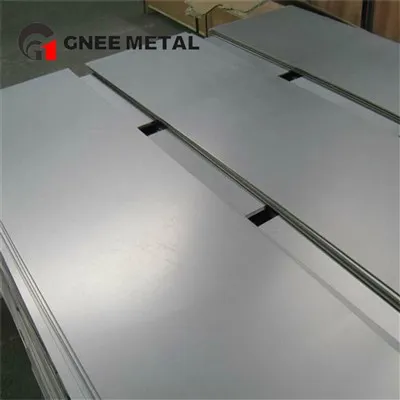
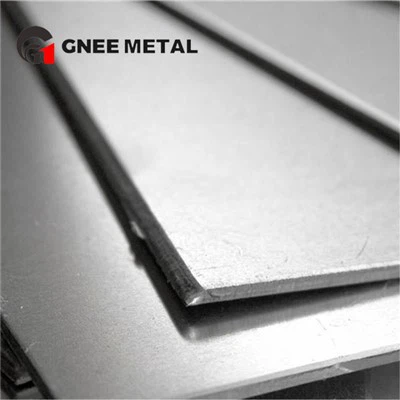
A titanium plate is a flat piece of metal made from titanium, which is known for its high strength-to-weight ratio, corrosion resistance, and biocompatibility. These plates are commonly used in various engineering applications, including aerospace, marine, and chemical processing industries, where lightweight, robust materials are required.




Lightweight
One of the major benefits of titanium plate is its lightweight nature. Titanium is a low-density metal, which means that it offers excellent strength-to-weight ratio. This makes it an ideal choice for applications where weight reduction is a priority, such as in the aerospace industry. The use of titanium plate can significantly reduce the overall weight of structures, improving fuel efficiency and increasing payload capacity.
High strength
Despite its lightweight nature, titanium plate boasts exceptional strength. It has a high tensile strength, which means it can withstand tremendous forces without deforming or breaking. This makes titanium plate durable and resistant to wear and tear. It is commonly used in applications that require strong, rigid components such as aircraft frames, armor plating, and structural supports.
Corrosion resistance
Titanium plate is highly resistant to corrosion, even in harsh environments. It forms a protective oxide layer on its surface when exposed to oxygen, which prevents further corrosion. This property makes titanium plate suitable for use in marine environments, where exposure to saltwater can cause significant damage to other metals. It is also commonly used in chemical processing plants, where exposure to corrosive chemicals is common.
Biocompatibility
Titanium plate is biocompatible, meaning it is not toxic to living tissues and can be safely used in medical and dental applications. It is commonly used in the manufacture of medical implants, such as hip and knee replacements, due to its ability to integrate well with bone tissue. The biocompatibility of titanium plate also makes it an ideal choice for body piercings and jewelry, as it minimizes the risk of allergic reactions.
Heat resistance
Titanium plate exhibits excellent heat resistance properties, making it suitable for high-temperature applications. It can withstand temperatures up to 600 degrees Celsius without affecting its structural integrity. This makes it a preferred choice for components used in gas turbines, heat exchangers, and other high-temperature equipment.
Low thermal expansion
Titanium plate has a low coefficient of thermal expansion, meaning it expands and contracts minimally with changes in temperature. This property makes it dimensionally stable, allowing it to maintain its shape and structural integrity even under extreme temperature variations. It is widely used in applications that require precision and stability, such as optical instruments and aerospace components.
Types of Titanium Plate
Commercially Pure Titanium Plate
Made from pure titanium metal, commonly known as Grade 1 or Grade 2 titanium. Exhibits excellent corrosion resistance and high strength-to-weight ratio. Often used in industries such as chemical processing, marine, and aerospace.
Titanium Alloy Plate
Produced by adding small amounts of other elements, such as aluminum, vanadium, or nickel to pure titanium. Different alloys offer various properties such as increased strength, improved heat resistance, and enhanced formability. Used in applications where high strength, lightweight, and durability are required, including aerospace, medical, and automotive industries.
Medical Grade Titanium Plate
Manufactured with specific standards to meet the requirements of the medical field. Highly biocompatible and resistant to body fluids, making it suitable for implants, surgical instruments, and medical devices. Designed to promote osseointegration, allowing for faster healing and reduced risk of rejection.
Titanium Clad Plate
Consists of multiple layers, with a core layer made of either carbon steel or stainless steel, and a titanium layer on top. Offers the benefits of both materials, combining the strength and durability of steel with the corrosion resistance of titanium. Used in industries such as chemical processing, desalination plants, and offshore oil and gas platforms.
Ti-Ni Memory Alloy Plate
Also known as Nitinol, this shape memory alloy is a combination of titanium and nickel. Exhibits unique properties, including shape memory effect and superelasticity. Widely used in the medical field for stents, orthodontic wires, and surgical instruments due to its ability to remember and regain shape.
Titanium Clad Copper Plate
Made by bonding a layer of titanium to a layer of copper. Combines the excellent conductivity of copper with the corrosion resistance of titanium. Used in various industries, including electronics, aerospace, and power generation.
Perforated Titanium Plate
Contains evenly spaced holes or perforations throughout the plate. Offers benefits such as reduced weight, increased airflow or drainage, and improved sound or light transmission. Utilized in applications such as architectural designs, filtration systems, and acoustic panels.
Textured Titanium Plate
Surface of the plate is modified to create a specific texture or pattern. Provides enhanced aesthetic appeal and improved gripping ability. Used in jewelry, interior design, and industrial applications where friction or slip resistance is desired.
Application of Titanium Plate


Aerospace industry: Titanium plates are extensively used in the aerospace industry due to their high strength-to-weight ratio. They are used in the construction of aircraft frames, engine components, and landing gears. The lightweight nature of titanium plates helps reduce fuel consumption and increase flight range.
Medical field: Titanium plates are widely used in orthopedic and dental surgeries. They are used in reconstructive surgeries, such as the repair of broken bones and facial fractures. Titanium plates are biocompatible, meaning they can integrate well with the human body without causing any harm or rejection.
Chemical industry: Titanium plates are highly resistant to corrosion, making them suitable for applications in the chemical industry. They are used in the construction of chemical reactors, heat exchangers, and storage tanks. The corrosion resistance properties of titanium plates ensure the longevity and reliability of these equipment in harsh chemical environments.
Power generation: Titanium plates are used in power plants for various applications. They are used in the construction of heat exchangers, condensers, and cooling towers. The high thermal conductivity and corrosion resistance of titanium plates make them ideal for these applications, ensuring efficient heat transfer and extended equipment lifespan.
Marine industry: Titanium plates are widely used in the marine industry due to their excellent resistance to seawater corrosion. They are used in the construction of ship hulls, propellers, and offshore platforms. The durability and corrosion resistance properties of titanium plates ensure the longevity and reliability of marine structures in harsh marine environments.
Sports equipment: Titanium plates find applications in the manufacturing of sports equipment, such as bicycle frames, golf clubs, and tennis rackets. The lightweight and high strength properties of titanium plates make them well-suited for these applications, providing athletes with improved performance and durability.
Architecture and construction: Titanium plates are used in architectural and construction projects due to their aesthetic appeal and durability. They are used for cladding, roofing, and decorative purposes. The corrosion resistance and unique coloration of titanium plates add a modern and sophisticated touch to buildings and structures.
Automotive industry: Titanium plates are used in the automotive industry for various components, such as exhaust systems, engine parts, and suspension components. The lightweight and high-temperature resistance properties of titanium plates contribute to improved fuel efficiency and performance of vehicles.
Raw Material Preparation
Obtaining titanium ore deposits. Extraction of titanium ore through mining. Crushing and grinding of titanium ore. Conversion of titanium ore into titanium sponge through a chemical reaction
Melting and Casting
Heating the titanium sponge in a vacuum furnace. Melting the titanium sponge under a controlled atmosphere to remove impurities. Casting the molten titanium into a mold to form an ingot
Rolling
Preheating the titanium ingot to a specific temperature. Pass the preheated ingot through a series of rollers to reduce its thickness gradually. Cooling the rolled titanium plates to room temperature
Hot Rolling
Reheating the titanium plate obtained from the cold rolling process. Pass the reheated plate through a hot rolling mill to further reduce its thickness. Cooling the hot rolled titanium plate once again
Cold Rolling
Reheating the hot rolled titanium plate before initiating the cold rolling process. Pass the reheated plate through a cold rolling mill to achieve the desired thickness. Continuously cooling the cold rolled titanium plate to maintain its strength and hardness
Heat Treatment
Annealing the cold rolled titanium plate to improve its ductility and reduce residual stress. Heating the plate to a specific temperature and holding it for a designated period. Cooling the plate at a controlled rate to retain the desired properties
Surface Finishing
Grinding the titanium plate to remove any surface imperfections or roughness. Polishing the plate to achieve a smooth and shiny surface. Deoxidizing the plate to remove any oxide layers formed during the manufacturing process
Quality Inspection
Testing the titanium plate for dimensional accuracy, thickness, and surface quality. Conducting non-destructive tests to ensure structural integrity. Checking for any defects or deviations from specifications
Cutting and Packaging
Cutting the titanium plate into desired sizes using shearing or sawing techniques. Ensuring proper packaging to protect the titanium plates during transportation and storage. Labelling the packaged plates with relevant information for identification and traceability
Final Quality Control
Conducting a final inspection to ensure all quality standards are met. Certifying the titanium plates' compliance with industry regulations and customer requirements
Daily Inspection Checklist for Titanium Plate
Check for any visible damage on the titanium plate
①Inspect the surface of the plate for scratches, dents, or any signs of physical damage.
②Ensure that there are no cracks or fractures in the plate.
③Check for any discoloration or corrosion on the surface.
Verify the dimensions and flatness of the titanium plate
①Measure the length, width, and thickness of the plate according to specifications.
②Use a straight edge to check for any warping or bowing.
③Ensure that the plate is flat and does not have any significant deviations.
Examine the edges of the titanium plate
①Inspect the edges for any sharp burrs or rough spots.
②Ensure that the edges are smooth and free from any irregularities.
③Check for any signs of chipping or flaking along the edges.
Assess the cleanliness of the titanium plate
①Ensure that the plate is free from any dirt, debris, or foreign particles.
②Check for any oil, grease, or residue on the surface.
③Verify that the plate has been properly cleaned and prepared for the next process.
Inspect the surface finish of the titanium plate
①Check for any visible scratches or abrasions on the surface.
②Ensure that the surface finish is in accordance with the required specifications.
③Verify that there are no uneven or rough areas on the surface.
Evaluate the overall condition of the titanium plate
①Check for any signs of wear or deterioration.
②Ensure that the plate is in good condition and suitable for its intended use.
③Verify that all quality requirements and standards are met.
Record any observations or findings
①Document any abnormalities, defects, or issues found during the inspection.
②Provide detailed descriptions and measurements if necessary.
③Communicate any concerns or recommendations to the appropriate personnel.
Take necessary actions based on the inspection results
①If any defects or issues are found, notify the relevant department or personnel.
②Follow established procedures for further evaluation or remedial actions.
③Ensure that all necessary corrective actions are taken promptly.
How to Choose Titanium Plate
Grade of Titanium: Titanium plates come in various grades, each with its own specific properties and uses. It is essential to understand the different grades and choose the one that best suits your requirements. The most common grades of titanium plates are Grade 1, Grade 2, Grade 5, and Grade 7.
Dimensions: Titanium plates are available in different sizes and thicknesses. It is crucial to determine the dimensions required for your project or application. Consider factors such as the plate's length, width, and thickness to ensure a proper fit.
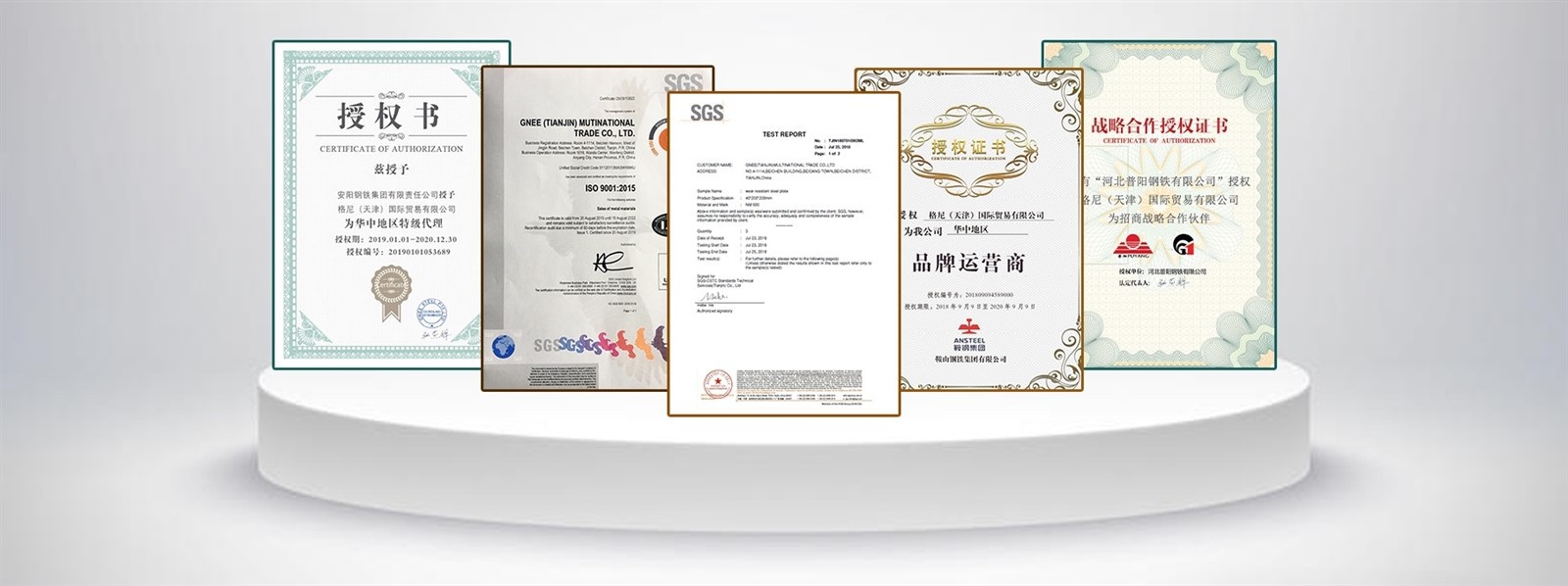
Quality and Certification: To ensure the quality and reliability of the titanium plate, it is advisable to choose plates from reputed manufacturers or suppliers. Look for certifications such as ISO 9001 or AS9100, which indicate that the plates meet industry standards.
Application Requirements: Consider the specific requirements of your application. Will the titanium plate be exposed to corrosive environments or high temperatures? Understanding the application will help you select a titanium plate with the necessary attributes such as corrosion resistance, heat resistance, or strength.
Cost: Budget considerations are integral to any purchase. While it is important to choose a titanium plate that meets your requirements, it is equally important to consider the cost. Compare prices from different suppliers to find a balance between quality and cost-effectiveness.
Supplier Reputation: Research the reputation of the supplier or manufacturer before making a purchase. Look for customer reviews or testimonials to gauge their reliability and customer satisfaction. A trustworthy supplier will provide quality titanium plates and excellent customer service.
Customization Options: Depending on your specific needs, you may require custom-made titanium plates. Some manufacturers offer customization options, allowing you to specify dimensions, grade, and other requirements. If customization is necessary, ensure that the supplier can accommodate your requests.
Delivery and Logistics: Consider the logistics involved in procuring and delivering the titanium plates. Evaluate the supplier's shipping capabilities, lead times, and packaging methods. Timely delivery is crucial to avoiding delays in your project or application.
Certificate
Our Factory


Frequently Asked Questions Titanium Plate
Q: What is a titanium plate?
Q: What are the properties of titanium that make it suitable for plate applications?
Q: What industries commonly use titanium plates?
Q: How are titanium plates manufactured?
Q: What sizes and thicknesses are titanium plates available in?
Q: Can titanium plates be customized?
Q: What are the advantages of using titanium plates in aerospace applications?
Q: Are titanium plates suitable for surgical implants?
Q: Can titanium plates be used in seawater environments?
Q: Is it possible to weld titanium plates?
Q: Are titanium plates more expensive than other metal plates?
Q: Can titanium plates withstand high temperatures?
Q: Are titanium plates magnetizable?
Q: What surface finishes are available for titanium plates?
Q: Are titanium plates prone to scratching or wear?
Q: Can titanium plates be recycled?
Q: How does the cost of titanium plates compare to other materials in the long run?
Q: Are there any restrictions on the export/import of titanium plates?
Q: How can I ensure the quality and authenticity of titanium plates?
Q: Can titanium plates be used in extreme environments, such as space applications?