


Titanium Rod
Why Choose Us
High Quality
Our products are manufactured or executed to very high standards, using the finest materials and manufacturing processes.
Customized Services
We understand that each customer has unique manufacturing needs. That's why we offer customization options to cater to your specific requirements.
One-stop Solution
We can offer a range of services, from consultation and advice to product design and delivery. It is a convenience for the customers, as they can get all the help they need in one place.
Competitive Price
We offering a higher-quality product or service at an equivalent price. As a result we have a growing and loyal customer base.
What Is a Titanium Rod?
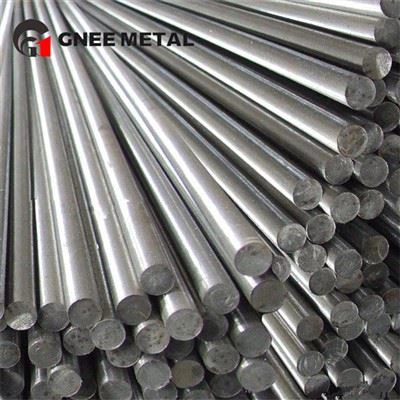
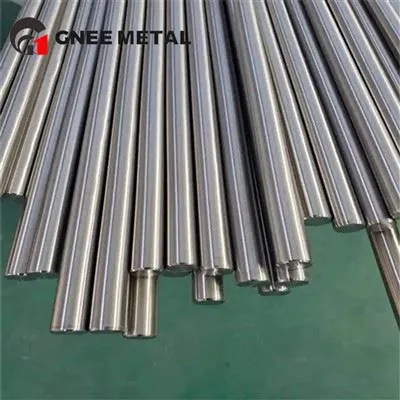
A titanium rod is a cylindrical piece of metal cut from a larger block of titanium, an element known for its high strength, low density, and excellent corrosion resistance. Titanium rods are commonly used in various engineering applications due to these properties, which make them suitable for environments where lighter weight and durability are critical.


Lightweight
One of the major benefits of titanium rods is their lightweight nature. Titanium is known for its low density, making it much lighter than traditional materials like steel and aluminum. This feature makes titanium rods ideal for applications where reducing weight is critical, such as in aerospace and automotive industries. The use of titanium rods can significantly enhance fuel efficiency and overall performance.
High strength-to-weight ratio
Despite its lightweight nature, titanium rods possess a high strength-to-weight ratio. This means that they can withstand heavy loads and provide excellent structural integrity. Titanium rods are often used in situations where strength and durability are essential, such as in the construction of bridges and buildings.
Corrosion resistance
Titanium is highly resistant to corrosion, even in extreme environments. This is due to a thin but strong oxide layer that forms on the surface of the metal, providing excellent protection against rust and oxidation. Titanium rods are commonly used in marine applications where exposure to seawater and salt can cause significant damage to other materials.
Biocompatibility
Titanium is one of the most biocompatible metals available, making it ideal for medical applications. Titanium rods are commonly used in orthopedic surgery and dental implants due to their ability to integrate well with the body's natural tissues and bone. This biocompatibility reduces the risk of rejection and promotes faster healing.
Temperature resistance
Titanium rods offer excellent resistance to high temperatures, making them suitable for applications in extreme heat conditions. They can maintain their strength and integrity even at elevated temperatures, which is crucial in industries such as chemical processing and power generation.
Non-magnetic
Another advantage of titanium rods is their non-magnetic nature. Unlike steel, titanium is not magnetic, which can be highly beneficial in certain applications like medical imaging and electrical equipment where magnetic interference is a concern.
Longevity
Titanium rods have impressive longevity and can retain their properties even after prolonged use. They have excellent fatigue resistance, meaning they can withstand repeated stress and loading cycles without becoming weak or brittle. This durability makes titanium rods a cost-effective long-term solution in various industries.
Types of Titanium Rod
Titanium grade 1: This type of titanium rod is the purest form and has excellent corrosion resistance. It is commonly used in applications that require high ductility and impact toughness, such as the aerospace industry. Titanium grade 1 rods are also used in medical implants and equipment.
Titanium grade 2: This grade of titanium rod is widely used due to its excellent strength and corrosion resistance. It is commonly used in applications that require high weldability and formability. Industries such as chemical processing, marine, and power generation make extensive use of titanium grade 2 rods.
Titanium grade 5: Also known as Ti-6Al-4V, this type of titanium rod is an alloy composed of 6% aluminum and 4% vanadium. It is known for its high strength, low weight, and excellent corrosion resistance. Titanium grade 5 rods are commonly used in aerospace, automotive, and sports equipment industries.
Titanium grade 7: This grade of titanium rod is an alloy of titanium and palladium. It offers excellent corrosion resistance, specifically in reducing environments. It is commonly used in applications such as chemical processing, marine equipment, and desalination plants.
Titanium grade 9: Also referred to as Ti-3Al-2.5V, this type of titanium rod is an alloy composed of 3% aluminum and 2.5% vanadium. It offers excellent weldability and formability, along with good corrosion resistance. Titanium grade 9 rods are commonly used in industrial applications, including offshore and marine equipment.
Titanium grade 23: This grade of titanium rod is an alloy of titanium and 6% aluminum and 4% vanadium. It is specifically designed for medical applications due to its biocompatibility and resistance to corrosion in the human body. Titanium grade 23 rods are commonly used in surgical implants and medical instruments.
Titanium beta C: This type of titanium rod is an alloy of titanium and chromium. It offers good corrosion resistance and high strength at elevated temperatures. Titanium beta C rods are commonly used in aerospace and chemical processing equipment.
Application of Titanium Rod


Medical Implants: Titanium rods are widely used in medical applications, particularly in orthopedic surgeries. They are used to create implants such as plates, screws, and intramedullary nails. These implants provide support and stability to broken bones, allowing them to heal properly. Titanium rods are chosen for their biocompatibility, lightweight, and high strength.
Aerospace Industry: Titanium rods find extensive use in the aerospace industry due to their exceptional strength-to-weight ratio. They are employed in the construction of aircraft frames, engine components, and landing gears. The lightweight nature of titanium rods allows for fuel efficiency and better overall performance of aircraft.
Sports Equipment: Titanium rods are utilized in the manufacturing of various sports equipment, specifically in golf clubs, tennis rackets, and bicycle frames. The high strength and low weight of titanium make it an ideal material for these applications, providing athletes with improved performance and maneuverability.
Chemical Processing: Titanium rods are resistant to corrosion, making them suitable for use in the chemical industry. They are used in the construction of equipment and machinery that comes in contact with corrosive chemicals. Titanium rods can withstand extreme temperatures and harsh chemical environments, ensuring the longevity and reliability of the equipment.
Marine Applications: Titanium rods are commonly used in marine applications due to their resistance to seawater corrosion. They are utilized in the construction of ship hulls, propeller shafts, and other critical components. The durability of titanium rods in marine environments makes them a preferred choice for preventing rust and ensuring the longevity of marine vessels.
Automotive Industry: Titanium rods find specific applications in the automotive industry, primarily in high-performance vehicles. They are used in the production of engine parts, exhaust systems, and suspension components. The lightweight nature of titanium rods helps improve fuel efficiency and overall vehicle performance.
Architecture and Construction: Titanium rods are used in architectural and construction projects due to their strength, durability, and resistance to corrosion. They are utilized in the construction of bridges, high-rise buildings, and other structures that require long-lasting and reliable materials.
Raw materials preparation
Obtain high-quality titanium sponge from a reliable supplier. Cut the sponge into smaller pieces for melting. Perform chemical analysis to ensure the purity of the titanium.
Melting and casting
Place the titanium sponge pieces into a vacuum arc furnace. Apply an electric current to melt the titanium under a protective argon atmosphere. Pour the molten titanium into a water-cooled copper mold to solidify and form an ingot. Remove impurities from the surface of the ingot through a process called scalping.
Bloom conversion
Heat the titanium ingot in a furnace to a specific temperature range. Flatten the ingot using a mechanical press or rolling mill to form a bloom. Repeat the heating and rolling process several times to refine the structure and reduce the ingot's size.
Billet production
Reheat the titanium bloom to a suitable temperature. Extrude or roll the bloom to form a billet with a desired diameter. Cut the billet to the required length with precision saws.
Rod production
Heat the titanium billet to a suitable temperature range. Extrude the billet through a die to form a rod with the desired shape and dimensions. Continuously cool and straighten the rod to improve its mechanical properties. Conduct non-destructive testing to ensure the quality of the rods.
Surface treatment and finishing
Smooth the surface of the titanium rod using a polishing machine. Clean the rod to remove any residue or contaminants. Perform additional inspections and measurements to confirm the dimensional accuracy.
Packaging and quality control
Cut the titanium rod into specific lengths according to customer requirements. Conduct a final inspection to verify the quality of the rods, including visual examination, ultrasonic testing, and dimensional measurements. Pack the titanium rods in suitable containers or pallets for transportation and storage.
How to Use the Titanium Rod
Safety first: Before handling the titanium rod, ensure that you wear proper personal protective equipment such as gloves and safety glasses. Titanium rods can be sharp, and taking precautions is crucial.
Preparation: Clean the titanium rod using a mild detergent and a soft cloth to remove any dirt, dust, or grease. Rinse it thoroughly with clean water and dry it with a lint-free cloth.
Inspection: Carefully examine the titanium rod for any signs of defects or damage. Look for cracks, dents, or any visible deformities. If you notice any flaws, do not use the rod as it may compromise its performance and safety.
Understanding the application: Determine the purpose of using the titanium rod. Whether it is for construction, medical, or other specific purposes, understanding the application will help you utilize the rod effectively.
Select proper tools: Depending on the application and specific requirements, choose the appropriate tools to work with the titanium rod. This may include cutting tools, drilling tools, or welding equipment.
Cutting the rod: If necessary, measure and mark the titanium rod according to the desired length. Use a saw or plasma cutter designed for cutting titanium to ensure a clean and precise cut. Be cautious not to apply excessive pressure, as titanium is dense and requires sharp cutting tools.
Drilling holes: If you need to create holes in the titanium rod, use a drill press or a suitable drilling machine. Titanium has a high melting point, so it is important to use a coolant to prevent overheating during the drilling process. Lubricate the drill bit with cutting fluid to prolong its life and achieve better results.
Welding: When welding the titanium rod, utilize specialized welding techniques suitable for titanium. Clean the surfaces to be welded thoroughly and use a welding filler material specifically formulated for titanium. Ensure a proper welding environment by shielding the weld area from drafts and oxygen exposure.
Quality control: After performing any modifications or joining processes, inspect the finished product to ensure it meets the required standards and specifications. Check for proper dimensions, smooth surfaces, and secure connections.
Maintenance: To prolong the lifespan of the titanium rod, store it in a dry and clean environment. Avoid exposure to extreme temperatures or corrosive substances that may affect its integrity.
Grade of Titanium
Titanium rods come in different grades, such as Grade 2, Grade 5, and Grade 23. Each grade has its own unique properties and characteristics. It is important to understand the grade that best suits your application. For example, Grade 2 is often used in environments where corrosion resistance is critical, while Grade 5 is known for its high strength-to-weight ratio.
Size and Dimensions
Titanium rods are available in various sizes and dimensions. Consider the length, diameter, and any other size specifications that are relevant to your project. Ensure that the dimensions of the rod align with your specific application requirements. If necessary, consult with a supplier or engineer for guidance.
Surface Finish
The surface finish of a titanium rod is essential, depending on the application. Some applications may require a smooth surface finish, while others may require a rougher textured finish. Determine the surface finish that is appropriate for your intended use and select a rod accordingly.
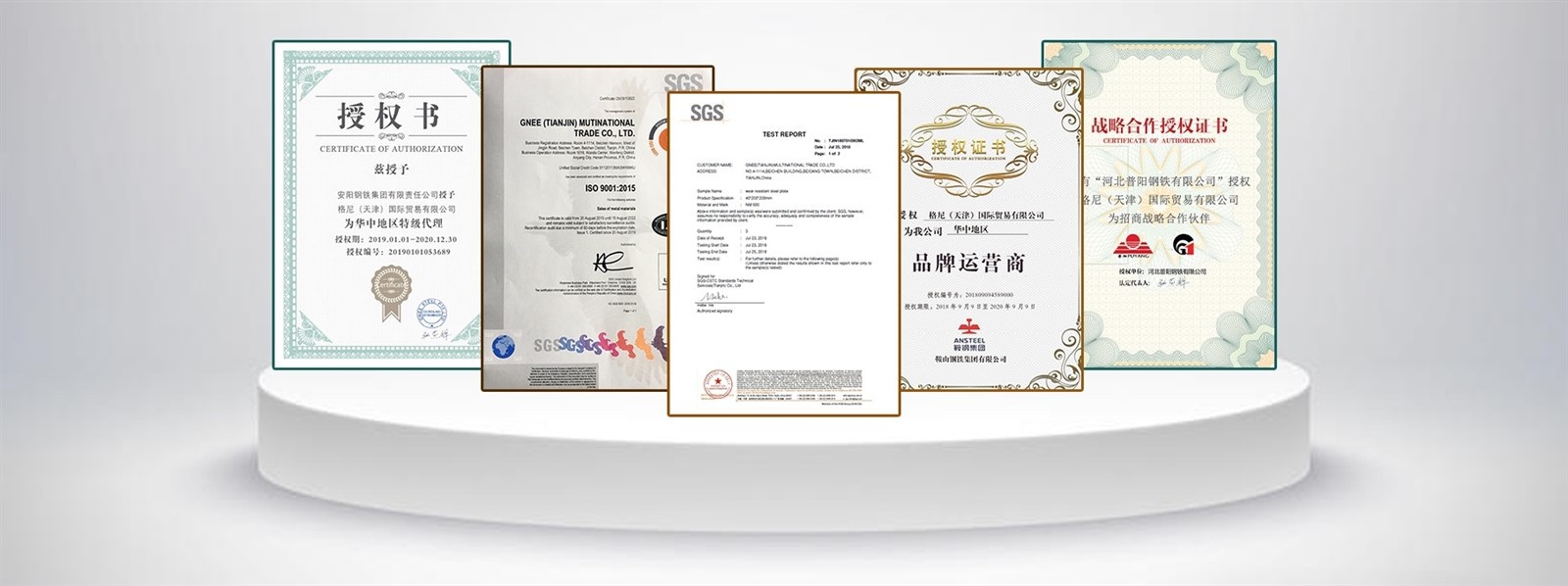
Certification and Testing
It is crucial to ensure that the titanium rod you are purchasing meets the necessary industry standards and certifications. Look for reputable suppliers who provide certification and testing documentation. This will give you confidence in the quality and reliability of the rod.
Price and Quality
Consider both the price and quality of the titanium rod. While it may be tempting to choose a cheaper option, it is important to prioritize quality. Titanium rods are an investment, and choosing a high-quality rod will ensure its durability and performance in the long run.
Supplier Reputation
Research and choose a supplier with a good reputation in the industry. Look for suppliers who have experience and expertise in providing titanium rods. Read customer reviews and testimonials to gauge the supplier's reliability and customer satisfaction.
Additional Services
Consider any additional services that the supplier may offer, such as custom fabrication or machining. Some projects may require specific shapes or sizes of titanium rods that can be manufactured by the supplier. Check if the supplier provides these additional services to meet your specific needs.
Certificate
Our Factory


Frequently Asked Questions Titanium Rod
Q: What is titanium rod used for?
Q: What are titanium rods used for?
Q: What are the advantages of titanium rods?
Q: Are titanium rods expensive?
Q: Can titanium rods be welded?
Q: Are titanium rods magnetic?
Q: Are titanium rods durable?
Q: Can titanium rods be recycled?
Q: Are titanium rods suitable for use in the human body?
Q: How are titanium rods manufactured?
Q: Can titanium rods be coated or plated?
Q: Are there any limitations of titanium rods?
Q: What factors should be considered when selecting titanium rods?
Q: Can titanium rods be customized?
Q: Can titanium rods be used in saltwater environments?
Q: What maintenance is required for titanium rods?
Q: How long do titanium rods last?
Q: Are there any safety considerations when working with titanium rods?
Q: Can titanium rods be used in extreme temperatures?
Q: What is a titanium rod?