


Titanium Pipe
Why Choose Us
High Quality
Our products are manufactured or executed to very high standards, using the finest materials and manufacturing processes.
Customized Services
We understand that each customer has unique manufacturing needs. That's why we offer customization options to cater to your specific requirements.
One-stop Solution
We can offer a range of services, from consultation and advice to product design and delivery. It is a convenience for the customers, as they can get all the help they need in one place.
Competitive Price
We offering a higher-quality product or service at an equivalent price. As a result we have a growing and loyal customer base.
What Is a Titanium Pipe?
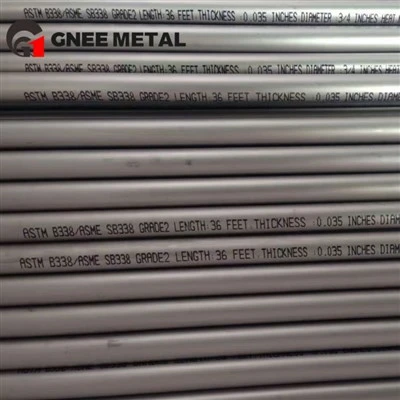
Titanium pipe refers to a piping system made from titanium, which is a metal known for its high strength-to-weight ratio, corrosion resistance, and biocompatibility. Titanium pipes are used in applications where durability, lightweight, and resistance to harsh environments are critical.




Lightweight
Titanium is an extremely lightweight metal, which makes titanium pipes an ideal choice for various applications. The lightweight nature of titanium pipes makes them easier to transport, install, and handle during construction projects.
Corrosion resistance
Titanium is highly resistant to corrosion and can withstand a wide range of harsh chemical environments. This makes titanium pipes suitable for applications in industries such as chemical processing, petrochemical, water treatment, and marine.
High strength
Despite being lightweight, titanium pipes possess excellent strength and can withstand high-pressure conditions. This strength is advantageous in applications where durability and structural integrity are crucial, such as in oil and gas, aerospace, and power generation industries.
Heat resistance
Titanium pipes have remarkable heat resistance, allowing them to maintain their integrity and structural stability at high temperatures. This makes them suitable for use in high-temperature applications such as heat exchangers, furnace components, and exhaust systems.
Low thermal expansion
Titanium pipes have low thermal expansion properties, meaning they are less likely to expand and contract significantly when exposed to temperature changes. This characteristic makes titanium pipes highly reliable for applications that involve extreme temperature variations.
Longevity
Titanium pipes are known for their exceptional longevity. They have a high resistance to fatigue and can endure prolonged use without significant degradation. This reduces the need for frequent maintenance or replacement, making them a cost-effective choice in the long run.
Biocompatibility
Titanium is biocompatible, meaning it is not harmful or toxic to living tissues inside the human body. This property makes titanium pipes suitable for use in medical implants, such as artificial joints, pacemakers, and bone fixation devices.
Eco-friendly
Titanium is a sustainable and eco-friendly metal. It is 100% recyclable, which means that even after its useful life, it can be melted and reused without losing any of its properties. The recyclability of titanium pipes contributes to the conservation of natural resources and reduces overall environmental impact.
Types of Titanium Pipe
Seamless Titanium Pipe: This type of titanium pipe is manufactured without any seams or welds, ensuring a continuous and uniform structure. Seamless titanium pipes offer excellent corrosion resistance and strength, making them suitable for various applications, including aerospace, chemical processing, and medical devices.
Welded Titanium Pipe: Welded titanium pipes are made by joining two or more pieces of titanium using a welding process. This type of pipe is cost-effective and readily available in various sizes and grades. Welded titanium pipes are commonly used in industries such as petrochemical, marine, and power generation.
Titanium Alloy Pipe: Titanium alloy pipes are made from a combination of titanium and other elements, such as aluminum or vanadium. These alloys provide improved strength, flexibility, and resistance to high temperatures and corrosive environments. Titanium alloy pipes are widely used in the aerospace industry and in sports equipment manufacturing.
Thin-Walled Titanium Pipe: Thin-walled titanium pipes have a smaller wall thickness compared to standard pipes. They are lightweight, yet offer sufficient strength, making them suitable for applications where weight reduction is critical, such as in aircraft structures and automobile components.
Titanium Clad Pipe: Titanium clad pipes consist of an outer layer of titanium bonded to a core material, such as carbon steel or stainless steel. This allows for the advantages of both materials, such as high strength and corrosion resistance of titanium combined with the cost-effectiveness and durability of the core material.
High-Pressure Titanium Pipe: High-pressure titanium pipes are specially designed to withstand extreme pressure conditions. They are commonly used in industries where fluids or gases need to be transported at high pressures, such as oil and gas, chemical processing, and power plants.
Titanium Exhaust Pipe: Titanium exhaust pipes are used in the automotive industry to enhance performance. These pipes are lightweight, corrosion-resistant, and have excellent heat dissipation properties, making them ideal for high-temperature exhaust systems.
Grade 2 Titanium Pipe: Grade 2 titanium pipes have a high level of pure titanium content, making them highly resistant to corrosion and suitable for use in various applications. They are widely used in industries such as pharmaceutical, marine, and desalination plants.
Grade 5 Titanium Pipe: Grade 5 titanium pipes, also known as Ti-6Al-4V, are alloyed with aluminum and vanadium, offering increased strength and heat resistance. This grade of titanium pipe is commonly used in aerospace, military, and medical applications, where strength and light weight are essential.
Industrial Titanium Pipe: Industrial titanium pipes are specifically designed for use in industrial processes that require excellent corrosion resistance, high strength, and durability. They are used in diverse industries, including chemical processing, oil and gas, and pulp and paper manufacturing.
Application of Titanium Pipe


Aerospace Industry
Titanium pipes are extensively used in the aerospace industry for manufacturing various components such as aircraft frames, hydraulic systems, landing gear, and exhaust systems.They exhibit high strength-to-weight ratio, corrosion resistance, and tolerance to high temperatures, making them ideal for aerospace applications.Titanium pipes maintain structural integrity and reduce the overall weight of aircraft, resulting in improved fuel efficiency and enhanced performance.
Oil and Gas Industry
Titanium pipes find applications in the oil and gas industry for transporting corrosive substances and chemicals.
Due to its exceptional corrosion resistance, titanium pipes can withstand harsh environments and resist damage caused by aggressive media.
They are used in offshore oil rigs, subsea pipelines, and petrochemical plants, ensuring safe transport of oil, gas, and other hazardous materials.
Chemical Processing
Titanium pipes are widely used in the chemical processing industry for handling corrosive fluids and gases.
They are resistant to attack from strong acids, alkalis, and organic chemicals, ensuring the integrity of the processing equipment.
Titanium pipes offer long-lasting performance, reducing the risk of leaks, contamination, and maintenance costs.
Medical Applications
Titanium pipes are extensively utilized in the medical field for manufacturing implants and medical devices.
They are biocompatible, meaning they can be safely implanted into the human body without any adverse reactions.
Titanium pipes are used in orthopedic implants, dental implants, artificial joints, and surgical instruments, improving the quality of life for patients.
Desalination Plants
Titanium pipes are employed in desalination plants for their resistance to corrosion and seawater.
They are used in the construction of tubular heat exchangers and piping systems, ensuring efficient heat transfer between seawater and freshwater.
Titanium pipes contribute to the sustainability of freshwater resources by enabling the production of clean drinking water from seawater.
Power Generation
Titanium pipes play a vital role in power generation industries, including nuclear power plants and conventional power plants.
They are used in condensers, heat exchangers, and cooling systems due to their exceptional corrosion resistance and thermal conductivity.
Titanium pipes aid in maximizing energy efficiency and reducing maintenance costs in power generation facilities.
Raw Material Selection: The first step in the process is selecting the appropriate raw materials for manufacturing titanium pipes. Titanium is known for its excellent properties such as high strength, corrosion resistance, and lightweight. Therefore, high-quality titanium alloys are chosen for the production of pipes.
Melting and Casting: After selecting the titanium alloys, they are melted in a vacuum or inert atmosphere to ensure purity and prevent contamination. The molten titanium is then cast into desired shapes, usually using molds or other casting techniques.
Billet Preparation: Once the casting process is complete, the cast titanium is further processed to form billets. These billets are cylindrical bars of solid titanium that serve as the starting point for pipe manufacturing.
Extrusion: The billets are heated and placed inside an extrusion press. High pressure is applied to force the heated titanium through a die, resulting in the formation of seamless titanium tubes. Extrusion helps achieve the desired size, shape, and mechanical properties of the pipes.
Heat Treatment: The extruded titanium tubes may undergo heat treatment to enhance their mechanical properties. This involves heating the tubes to a specific temperature and then cooling them under controlled conditions. Heat treatment can improve the strength, ductility, and corrosion resistance of the titanium pipes.
Cold Rolling and Cold Drawing: Depending on the required dimensions and specifications of the pipes, they may undergo cold rolling or cold drawing processes. Cold rolling involves passing the titanium tubes through a series of rollers to reduce their diameter or change their shape. Cold drawing, on the other hand, involves pulling the tubes through a die to achieve a smaller diameter or different shape.
Surface Finishing: After forming the desired shape, the titanium pipes may be subjected to surface finishing processes. This can involve mechanical polishing, grinding, or chemical treatments to improve the surface quality and remove any imperfections or contaminants.
Inspection and Testing: As with any manufacturing process, quality control is crucial. The titanium pipes undergo various inspection and testing methods to ensure they meet the specified standards. These inspections may include visual examination, dimensional measurements, non-destructive testing, and material analysis.
Final Processing and Packaging: Once the titanium pipes pass all the required tests, they undergo final processing. This can involve cutting them to the desired lengths, deburring the edges, and applying any required coatings or surface treatments. Finally, the pipes are packaged and prepared for shipment to customers.
What are the Working Theory of Titanium Pipe
Titanium characteristics: Titanium is a lightweight and highly corrosion-resistant metal that exhibits excellent strength-to-weight ratio. It has low density, high melting point, and exceptional corrosion resistance to various chemical environments.
Mechanical properties: Titanium pipes possess excellent mechanical properties, including high tensile strength, impact resistance, and good ductility. These properties make titanium pipes suitable for various applications in industries such as aerospace, chemical processing, and marine.
Corrosion resistance: Titanium pipes are well-known for their outstanding corrosion resistance. Titanium's oxide film forms naturally on its surface, which protects it from reacting with most corrosive substances, including saltwater, acids, alkalis, and many chemicals. This corrosion resistance ensures the durability and reliability of titanium pipes in corrosive environments.
Heat resistance: Titanium pipes have remarkable heat resistance, allowing them to withstand high temperatures without any significant deformation or loss in mechanical properties. This attribute makes titanium pipes suitable for applications in heat exchangers, power generation, and other high-temperature environments.
Biocompatibility: Titanium is biocompatible, meaning it is non-toxic and non-allergenic to the human body. This property makes titanium pipes ideal for medical applications, such as surgical implants and prosthetics, where the compatibility with the human body is crucial.
Fabrication and welding: Titanium pipes can be easily fabricated and welded due to their excellent ductility and workability. These pipes can be shaped and formed into various sizes and shapes to meet specific industrial requirements. The combination of high strength and ease of fabrication makes titanium pipes a preferred choice in many demanding industries.
Factors to Consider When Selecting Titanium Pipe
Grade of Titanium: Titanium pipes come in different grades, each with its own unique properties and characteristics. It is important to assess the specific requirements of your project and select a grade of titanium pipe that is suitable for those needs. Common grades include commercially pure titanium (Grades 1-4) and titanium alloys (grades 5-23).
Corrosion Resistance: One of titanium's most notable properties is its exceptional corrosion resistance, even in harsh environments. However, different grades of titanium offer varying degrees of corrosion resistance. Consider the conditions the pipe will be exposed to and choose a grade that can withstand corrosion in those specific circumstances.
Strength and Durability: Titanium pipes are known for their high strength-to-weight ratio, making them suitable for applications that require both strength and lightweight properties. Assess the strength requirements of your project and select a titanium pipe grade that meets those specifications.
Temperature Resistance: Titanium pipes can resist high temperatures without losing their mechanical properties, making them suitable for applications involving extreme heat. However, it is essential to consider the maximum temperature the pipe will encounter and ensure that the selected grade of titanium can withstand those temperatures.
Diameter and Wall Thickness: Consider the required diameter and wall thickness of the titanium pipe in relation to your project's specifications. These factors can vary depending on the specific application and the flow rate of the fluids or gases passing through the pipe.
Fabrication and Weldability: Titanium pipes can be challenging to fabricate and weld due to its unique properties, including its reactivity with oxygen and its limited thermal conductivity. If welding or fabrication is required, consider the expertise and equipment available for working with titanium and choose a grade that is weldable or can be fabricated using the available resources.
Cost: Titanium is generally more expensive compared to other materials due to its scarcity and the complex extraction process. It is essential to consider the budget constraints of your project and choose a titanium pipe grade that meets the required specifications without exceeding the allocated budget.
Compliance with Standards: Ensure that the selected titanium pipe meets international standards and industry-specific requirements. These standards and certifications guarantee the quality and reliability of the titanium pipe, making it suitable for use in various applications.
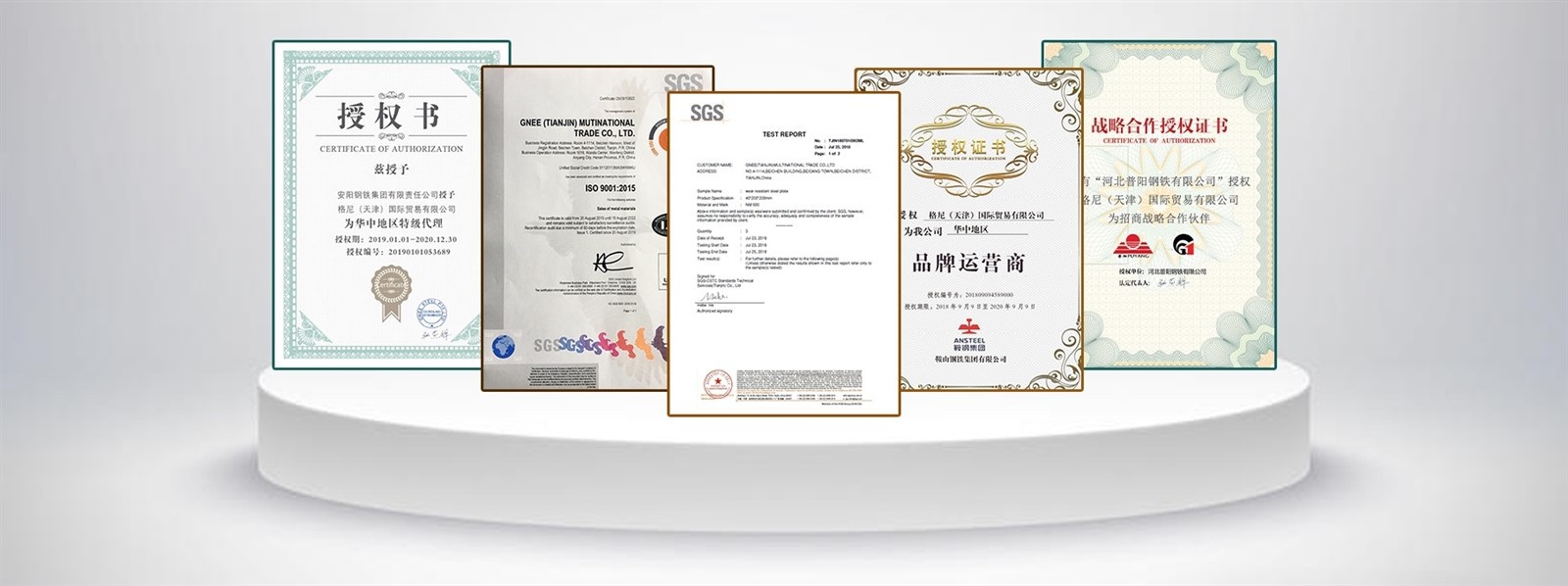
Certificate
Our Factory


Frequently Asked Questions Titanium Pipe
Q: What is the best way to cut titanium tubing?
Q: How do you clean a titanium pipe?
Q: What is titanium pipe?
Q: What are the advantages of using titanium pipe?
Q: Are titanium pipes more expensive than other types of pipes?
Q: Can titanium pipes be welded?
Q: How long can titanium pipes last?
Q: What applications are titanium pipes commonly used in?
Q: Is titanium pipe suitable for high-temperature applications?
Q: Are titanium pipes resistant to corrosion?
Q: Can titanium pipes be used in medical implants?
Q: Can titanium pipes be used for plumbing purposes?
Q: Are titanium pipes difficult to maintain?
Q: Can titanium pipes be used for underground applications?
Q: Are titanium pipes available in different sizes and thicknesses?
Q: What factors should be considered when selecting titanium pipes?
Q: Can titanium pipes be recycled?
Q: Are titanium pipes suitable for carrying drinking water?
Q: Can titanium pipes be used in high-pressure applications?
Q: Are titanium pipes available in different grades?
Grade 2: This is the most widely used grade of titanium and is characterized by its good corrosion resistance and high strength-to-weight ratio. Grade 2 is an alloy of titanium and aluminum (6%), vanadium (4%), and oxygen. It is commonly used in industrial applications where high strength and corrosion resistance are required.
Grade 5: Also known as Ti-6Al-4V, this is the most common grade of titanium alloy. It is composed of 6% aluminum, 4% vanadium, and the balance being titanium. Grade 5 has superior strength and corrosion resistance compared to Grade 2 and is used in aerospace, marine, and biomedical applications due to its biocompatibility.
Other grades of titanium, such as Grade 7 and Grade 11, are less common but offer specialized properties for particular applications. These grades may have different combinations of alloying elements, such as molybdenum, niobium, or palladium, to enhance certain characteristics like weldability or increased strength at elevated temperatures.
When selecting titanium pipes for a specific application, it is crucial to consider the operating environment, mechanical loads, and the required level of corrosion resistance to determine the appropriate grade. Titanium pipes are often used in industries where lightweight, high-strength, and corrosion-resistant materials are essential, such as in chemical processing, power generation, desalination plants, and oil and gas extraction.