


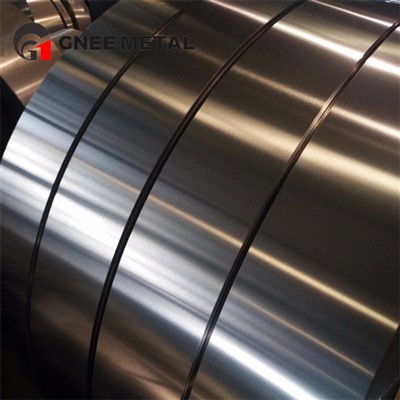
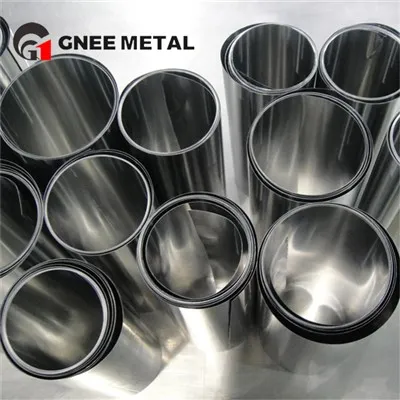
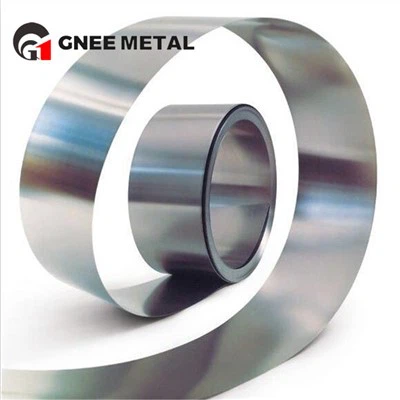
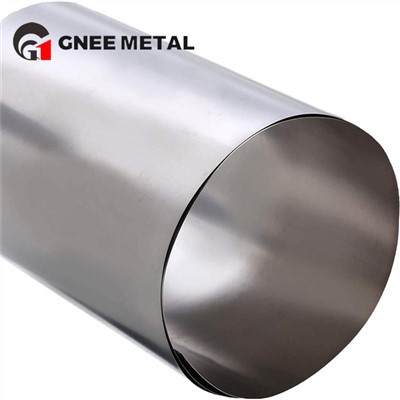
Titanium Foil
Why Choose Us
High Quality
Our products are manufactured or executed to very high standards, using the finest materials and manufacturing processes.
Customized Services
We understand that each customer has unique manufacturing needs. That's why we offer customization options to cater to your specific requirements.
One-stop Solution
We can offer a range of services, from consultation and advice to product design and delivery. It is a convenience for the customers, as they can get all the help they need in one place.
Competitive Price
We offering a higher-quality product or service at an equivalent price. As a result we have a growing and loyal customer base.
What Is a Titanium Foil?
Alloy titanium foil refers to a thin sheet of titanium that has been alloyed with other elements to enhance its properties for specific applications. Titanium itself is a strong, lightweight metal with excellent corrosion resistance, but when alloyed with elements like aluminum, vanadium, molybdenum, or nickel, it gains additional characteristics that can be tailored to different industrial requirements.




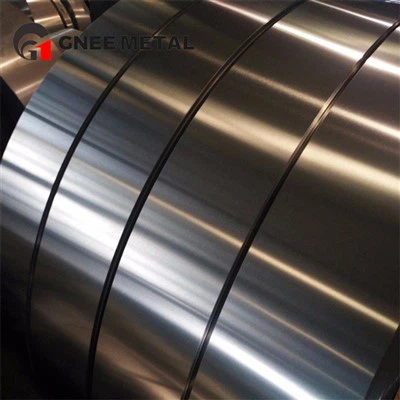


Lightweight
Titanium foil is extremely lightweight, making it an ideal choice for applications where weight reduction is crucial. This characteristic is particularly beneficial in industries like aerospace and automotive, where fuel efficiency and overall performance are essential.
Corrosion-resistant
Titanium foil exhibits exceptional corrosion resistance, even in highly corrosive environments. This makes it a preferred material for applications that come into contact with acids, saltwater, or other corrosive substances. Its resistance to corrosion ensures longevity and durability, reducing maintenance and replacement costs.
High strength-to-weight ratio
Despite its lightweight nature, titanium foil has remarkable strength. It offers an impressive strength-to-weight ratio, surpassing other commonly used metals like steel. This attribute makes it an excellent choice for applications requiring high strength and structural stability.
Heat and cryogenic resistance
Titanium foil has excellent resistance to extreme temperatures. It can withstand both high heat and cryogenic conditions without significant degradation in its properties. This characteristic makes it suitable for applications that involve exposure to extreme temperature variations.
Biocompatibility
Titanium is biocompatible, meaning it is compatible with the human body and does not cause adverse reactions. It is often used in medical implants, such as orthopedic devices, dental implants, and cardiovascular equipment. The biocompatibility of titanium foil ensures patient safety and promotes successful medical treatments.
Non-magnetic
Titanium foil is non-magnetic, which makes it valuable in industries that require non-magnetic materials. This property is particularly useful in the manufacturing of electronic devices, MRI machines, and other sensitive equipment where magnetic interference can cause disruptions.
Excellent formability
Titanium foil is highly malleable and ductile, allowing it to be formed into various shapes and sizes. This property makes it adaptable to intricate designs and complex geometries, expanding its range of applications.
Non-toxic
Titanium is non-toxic and hypoallergenic, making it safe for use in various industries, including food processing and pharmaceuticals. Its non-toxic nature ensures that there is no risk of contamination or adverse health effects in sensitive environments.
Types of Titanium Foil
Commercially Pure Titanium Foil: This type of titanium foil is made from commercially pure titanium, also known as CP titanium.It contains up to 99.5% titanium with small amounts of interstitial elements such as oxygen, nitrogen, and carbon.Commercially pure titanium foil has excellent corrosion resistance and is often used in chemical processing equipment, seawater desalination, and aerospace applications.
Titanium Alloy Foil: Titanium alloy foil is made by combining titanium with other elements such as aluminum, vanadium, or nickel.These alloys enhance the strength, toughness, and heat resistance of titanium, making it suitable for a wide range of applications.Titanium alloy foil is commonly used in the aerospace industry for aircraft components, medical devices, and sports equipment.
Ultra-Thin Titanium Foil: Ultra-thin titanium foil refers to titanium foils that have a thickness of less than 0.1 mm.These foils are typically used in electronics, where lightweight and high conductivity materials are required.Ultra-thin titanium foils are also used in various industries for their excellent resistance to corrosion and biocompatibility.
High-Purity Titanium Foil: High-purity titanium foil is manufactured using advanced purification techniques to remove impurities and achieve a higher level of purity.These foils are used in critical applications where even slight impurities can affect performance and reliability.High-purity titanium foil is commonly used in the semiconductor industry, electronics manufacturing, and medical implants.
Decorative Titanium Foil: Decorative titanium foil is specifically designed for aesthetic purposes.It is available in various colors through anodizing or other surface treatment processes.Decorative titanium foil is often used in architecture, interior design, and jewelry making for its unique appearance and durability.
Application of Titanium Foil

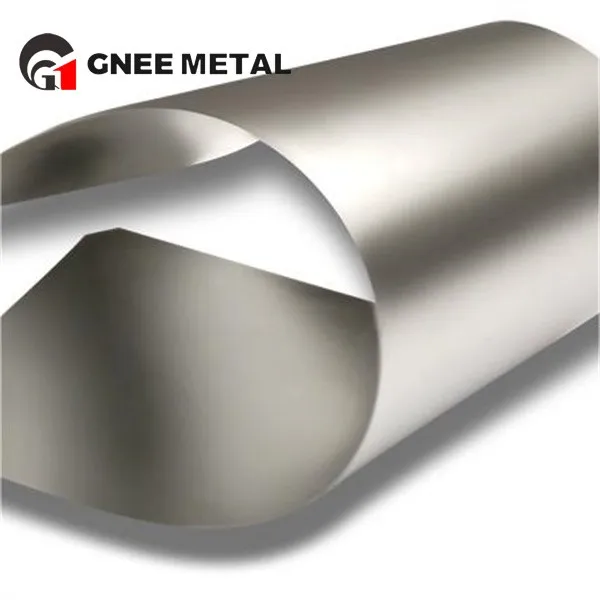
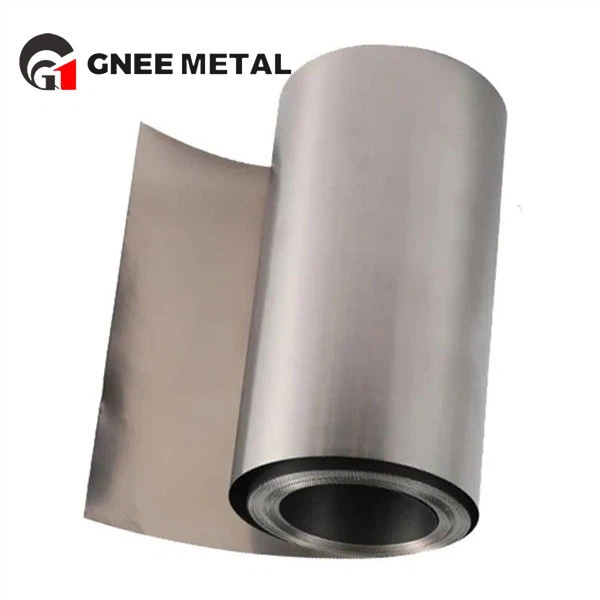

Aerospace Industry: Titanium foil is widely used in the aerospace industry due to its excellent strength-to-weight ratio and corrosion resistance. It is used in the manufacturing of aircraft components such as wings, fuselage, and engine parts. Titanium foil helps in reducing the weight of aircraft, resulting in better fuel efficiency and increased performance.
Medical Field: Titanium foil is extensively utilized in the medical field for various applications. It is commonly used in the production of medical implants such as orthopedic implants, dental implants, and cardiovascular implants. The biocompatibility of titanium foil makes it an ideal material for these implants, as it minimizes the risk of rejection and infection.
Electronics Industry: Titanium foil finds its application in the electronics industry for manufacturing electronic components. It is used as a flexible substrate for electronic circuits and thermal management solutions. The high thermal conductivity and electrical resistance properties of titanium foil make it suitable for heat dissipation and electrical insulation purposes.
Chemical Processing: Titanium foil is often employed in chemical processing industries due to its exceptional corrosion resistance. It is used as a barrier material to protect equipment and containers from highly corrosive chemicals. Titanium foil is also utilized in heat exchangers, reactors, and other components that come in contact with corrosive substances.
Automotive Sector: Titanium foil has found its way into the automotive sector due to its lightweight and durability. It is used in the manufacturing of various automotive parts such as exhaust systems, engine components, and suspension systems. Titanium foil helps in improving fuel efficiency and reducing emissions by reducing the overall weight of the vehicle.
Sports Equipment: Titanium foil is utilized in the production of sports equipment like tennis rackets, golf clubs, and bicycle frames. Its high strength and low density properties contribute to enhanced performance and durability of these sporting goods.
Architecture and Design: Titanium foil is used in architectural applications for creating unique and aesthetically pleasing designs. It can be used as cladding material for buildings, roofs, and facades due to its corrosion resistance and lightweight nature.
Titanium extraction: The extraction of titanium involves the production of titanium sponge, which is the primary raw material for the production of titanium foil. The extraction process typically involves converting titanium ores, such as ilmenite or rutile, into titanium dioxide via a chemical reaction. The titanium dioxide is then further processed to obtain titanium sponge.
Melting: The titanium sponge is subjected to a melting process in a vacuum furnace. The melting temperature is carefully controlled to ensure the titanium does not oxidize or react with impurities. This molten titanium is then poured into a water-cooled copper mold to solidify and form a titanium ingot.
Milling: The titanium ingot is then milled into a desired thickness to create titanium sheets. This milling process involves passing the titanium ingot through a series of rollers that gradually reduce the thickness of the material. This milling process is repeated multiple times until the desired thickness for the titanium foil is achieved.
Annealing: After milling, the titanium sheets are subjected to an annealing process to improve their strength and ductility. The sheets are heated to a specific temperature and then slowly cooled to relieve any internal stress within the material. This annealing process helps to make the material more pliable and easier to work with.
Cold rolling: The annealed titanium sheets are then cold rolled to further reduce their thickness and improve their surface finish. The sheets are passed through a series of rollers under high pressure, which compresses the material and reduces its thickness. This cold rolling process is repeated several times until the desired thickness for the titanium foil is achieved.
Slitting: The cold-rolled titanium sheets are then slit into narrower strips to create titanium foils of the desired width. This slitting process involves cutting the titanium sheets using precision machinery that ensures accurate and uniform strip dimensions. The slitting process can be adjusted to produce titanium foils of various widths, depending on the requirements of the application.
Cleaning and inspection: The titanium foils are thoroughly cleaned and inspected for any defects or impurities. Any surface contaminants or imperfections are removed, and the foils are checked for thickness uniformity, flatness, and overall quality. This cleaning and inspection process ensures that the titanium foil meets the desired specifications and meets the high standards required for its applications.
Packaging and shipping: Once the titanium foils pass the quality inspection, they are carefully packaged to protect them during transportation. The foils are typically rolled onto spools or placed between protective layers to prevent damage. They are then shipped to customers or manufacturers who utilize titanium foil in various industries, such as aerospace, electronics, and medicine.
What you should know when use Titanium Foil?
Understanding the properties: Titanium foil is a lightweight and versatile material with excellent corrosion resistance and high strength-to-weight ratio. It is known for its low density, high melting point, and overall durability.
Proper handling: When handling titanium foil, it is important to wear gloves to avoid fingerprints and oils that can react with the metal. Titanium is sensitive to contamination, so it is crucial to keep the foil clean and free from any contaminants.
Cutting and shaping: Titanium foil can be easily cut and shaped using tools such as scissors or a razor blade. However, it is essential to use sharp tools to prevent tearing or damaging the foil. Additionally, using a cutting mat can provide a stable surface and protect your work area.
Welding and joining: Titanium foil can be welded and joined using various techniques such as TIG (tungsten inert gas) welding, resistance welding, or laser welding. Since titanium has a high melting point, it requires specialized equipment and expertise to ensure successful welding.
Protective measures: Titanium foil is non-toxic but can produce fine particles when cut or shaped. It is recommended to wear a dust mask or work in a well-ventilated area to avoid inhaling these particles. Additionally, eye protection should be used to prevent any potential eye injuries.
Temperature considerations: Titanium foil has excellent thermal conductivity and is resistant to extreme temperatures, making it suitable for high-temperature applications. However, it is essential to consider the specific temperature limits and any potential thermal expansion or contraction when using titanium foil in different environments.
Surface finish: Titanium foil can be produced with different surface finishes such as a matte or polished appearance. Depending on your specific application, the surface finish can affect the foil's aesthetics, functionality, and performance. It is crucial to consider the desired finish and consult with suppliers or manufacturers accordingly.
Applications: Titanium foil has a wide range of applications across various industries, including aerospace, medical, automotive, and electronics. It is commonly used for heat shielding, gaskets, electrical components, corrosion-resistant coatings, and many other specialized applications where its unique properties are advantageous.
Determine the required grade of titanium: Titanium foils are available in different grades, each offering specific properties. Decide whether you need commercial pure titanium or a specific alloy grade based on the intended use of the foil.
Consider the thickness: Titanium foils come in various thicknesses, ranging from a few micrometers to several millimeters. The thickness requirement will depend on the application, so make sure to choose a foil thickness that meets your specific needs.
Evaluate the width and length: Titanium foils are commonly sold in rolls or sheets. Consider the desired width and length of the foil based on your project requirements. This will help determine the size of the rolls or sheets you need to purchase.
Assess the surface finish: Titanium foils can have different surface finishes, such as smooth, polished, or matte. The surface finish can impact the performance and appearance of the foil. Choose a surface finish that aligns with your application needs and aesthetic preferences.
Check for certification and quality standards: Ensure that the titanium foil you choose meets industry standards and has proper certification. Look for foils that comply with ASTM (American Society for Testing and Materials) standards to ensure quality and reliability.
Consider the supplier's reputation
Look for a reputable supplier that specializes in titanium foils. Check customer reviews and ratings to ensure you are dealing with a reliable and trustworthy supplier. A reputable supplier will provide accurate product information and reliable customer support.
Compare prices and availability
Before making a final decision, compare prices and availability from different suppliers. However, it's essential to prioritize quality over price. Avoid compromising on the quality of the titanium foil by opting for a cheaper option that may not meet your requirements.
Seek professional advice if necessary
If you have specific or complex requirements for your titanium foil, seek the advice of professionals or experts in the field. They can guide you in choosing the most suitable titanium foil for your project.
Certificate
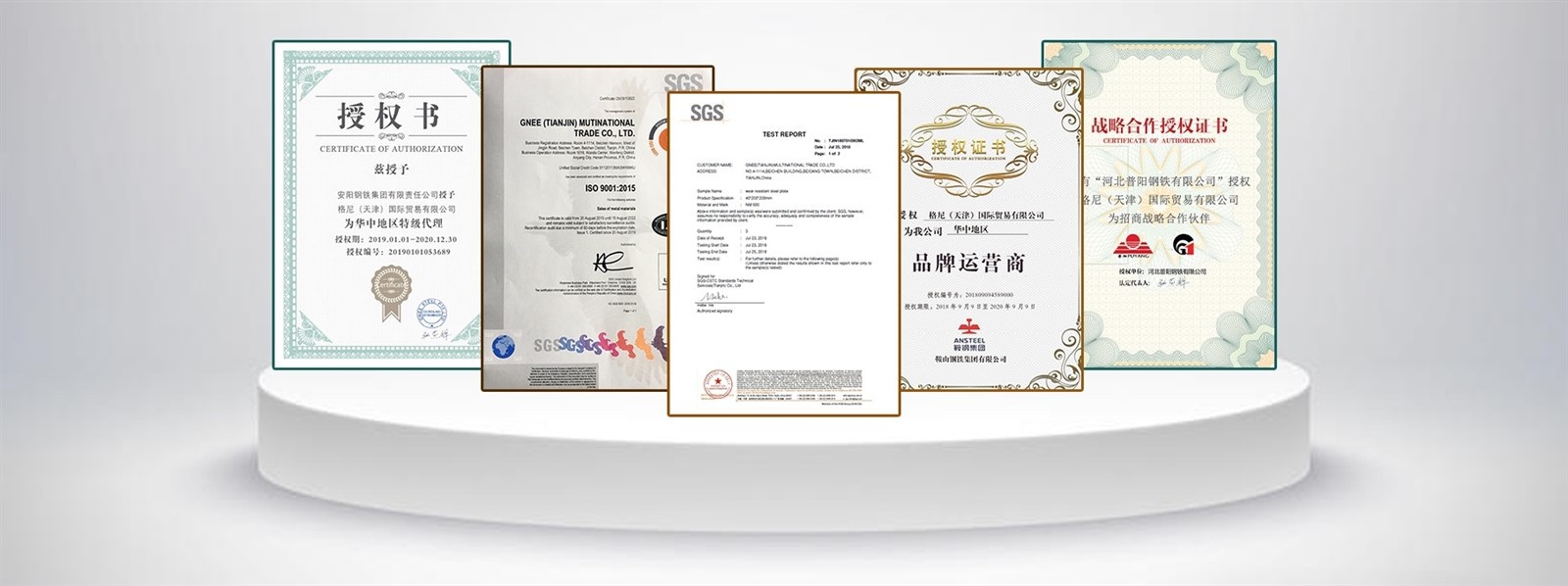
Our Factory


Frequently Asked Questions Titanium Foil
Q: What is titanium foil?
Q: What is the thickness range of titanium foil?
Q: What are the applications of titanium foil?
Q: Can titanium foil be easily bent or shaped?
When working with titanium foil, it's crucial to apply careful manual manipulation or the use of specialized equipment like bending machines or stretch forming to avoid cracking or breaking the material. Because of its resistance to deformation at room temperature, heating the titanium to a certain temperature (often between 650°C and 800°C) can make it more malleable, a process known as annealing. Annealing helps to relieve internal stresses and soften the metal, allowing it to be bent or shaped with less risk of damage.
Q: Does titanium foil corrode?
The corrosion resistance of titanium makes it suitable for a wide range of environments where other metals might degrade, including seawater, chlorine solutions, and even some acids. However, it is important to note that titanium can suffer from localized corrosion in environments that are highly acidic or saline, especially if the protective oxide layer is breached.
Q: Is titanium foil suitable for high-temperature applications?
Q: How does titanium foil compare to other metals in terms of weight?
Q: Can titanium foil be used for shielding purposes?
Q: Is titanium foil biocompatible?
Q: What are the advantages of using titanium foil in aerospace applications?
Q: Can titanium foil be welded?
Q: Does titanium foil require any special handling or storage?
Q: How does the cost of titanium foil compare to other metals?
Q: Can titanium foil be recycled?
Q: Are there any safety precautions associated with titanium foil?
Q: Can titanium foil be used in saltwater environments?
Q: Is titanium foil suitable for extreme temperature conditions?
Q: Can titanium foil be coated or painted?
Q: How long does titanium foil last?
Q: What are the properties of titanium foil?
Heat of Vaporization 425 kJ/mol
Poisson's Ratio 0.32
Specific Heat 0.125 Cal/g/K @ 25 °C
Tensile Strength 140 MPa