


In the field of industrial materials, pure and composite titanium plates exhibit distinct engineering value due to their structural differences. This article systematically analyzes the material's nature, performance characteristics, and practical applications, providing a scientific basis for engineering material selection.
I. Genetic Differences in Material Nature
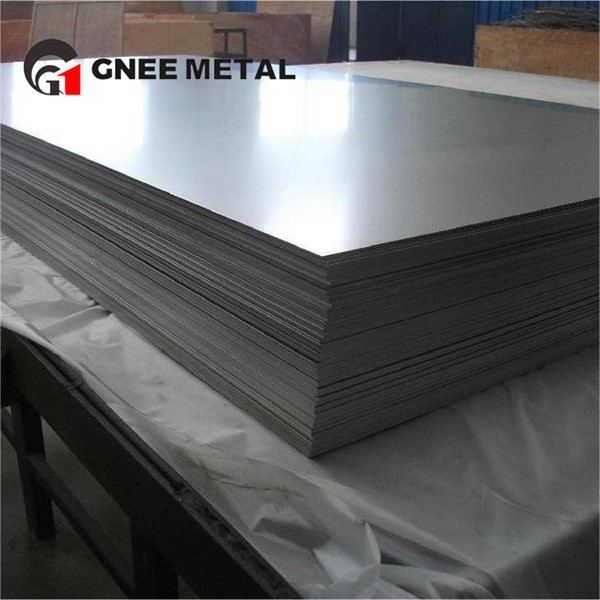
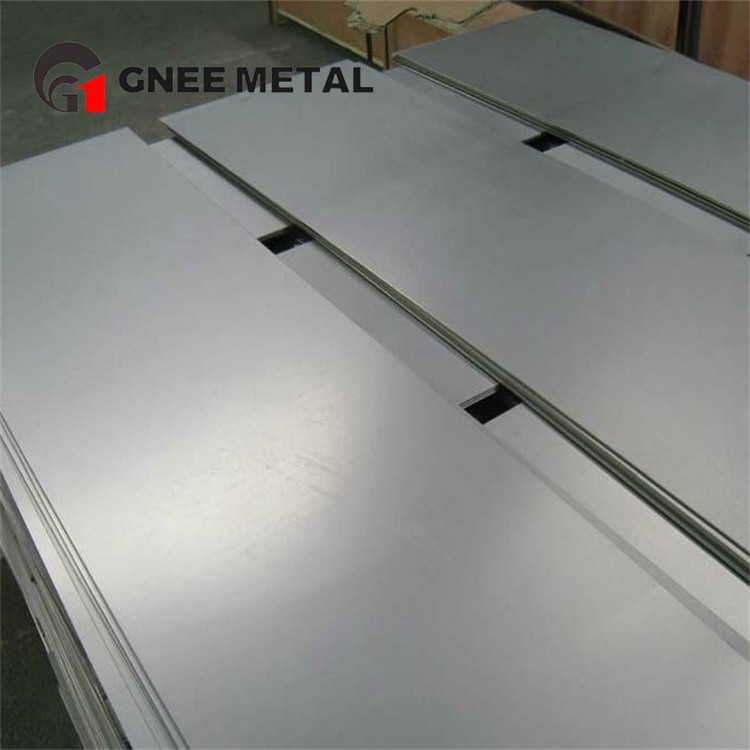
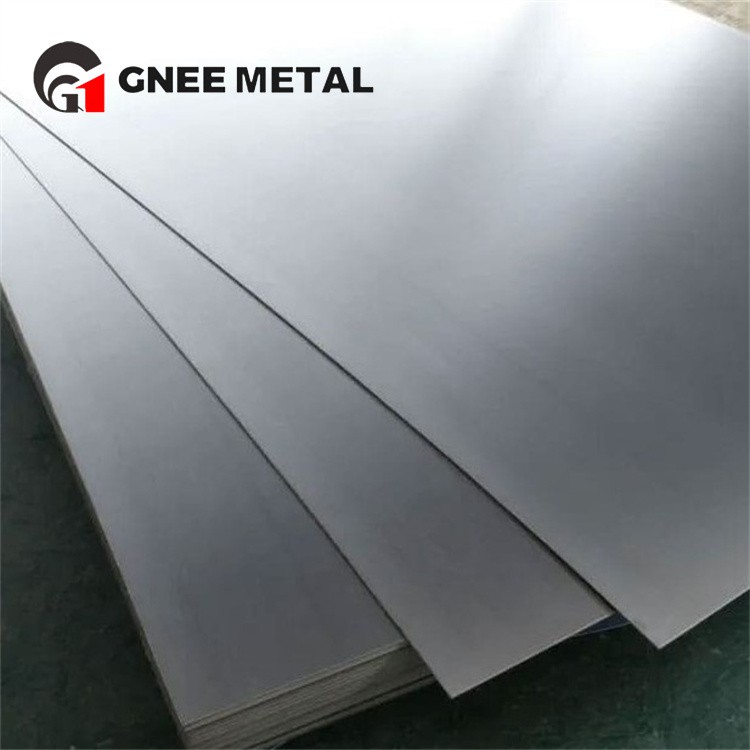
Pure titanium plate, a representative elemental metal material, is based on an α-type crystal structure and generally achieves a purity exceeding 99%. Its production relies on vacuum consumable arc melting (VAR) technology, and through multiple precision rolling passes, thickness tolerances can be controlled to within ±0.02mm. This single metal property imparts excellent homogeneity. In particular, in the aerospace field, TA1ELI-grade electronically pure titanium (oxygen content ≤0.07%) has become a core material for the Boeing 787 fuselage skin.
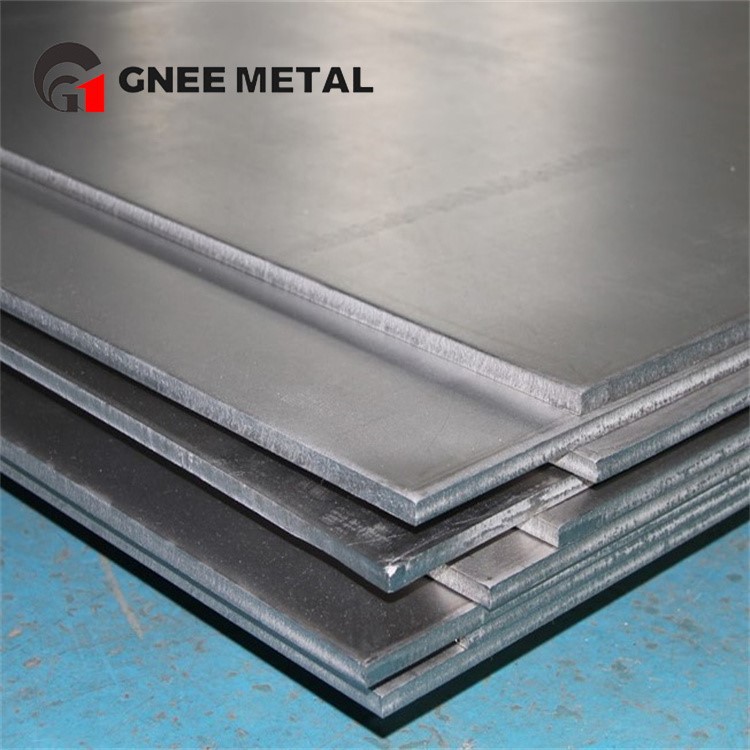
Composite titanium plate ushers in a new era of layered cladding. Through explosive cladding or hot rolling cladding processes, a 0.5-5mm titanium layer is permanently bonded to a carbon steel or stainless steel substrate. The transition layer utilizes Ag72Cu28 brazing filler metal to achieve a metallurgical bond, achieving a shear strength exceeding 140 MPa and a bonding rate of 98%. This structural innovation allows the material to combine the corrosion resistance of titanium with the strength of the base material, demonstrating unique advantages in the manufacture of PTA oxidation reactors exceeding 5 meters in diameter.
II. Performance Parameter Competition
In terms of adaptability to extreme environments, pure titanium plates boast a temperature resistance range of -196°C to 600°C. Their specific strength reaches 3.8-4.5, far exceeding most alloy steels, making them indispensable in ultra-low-temperature environments such as liquid nitrogen storage tanks. Regarding biocompatibility, their surface oxide film complies with ISO 5832-2, making them a preferred material for artificial joint implants.
Composite titanium plates are proving particularly effective in complex wear-resistant environments. The titanium protective layer protects against seawater corrosion (corrosion rate ≤ 0.001 mm/a), while the base material layer provides structural support. This synergistic effect increases the service life of desalination equipment by more than three times. In terms of economics, it can save 40-70% of titanium material compared to all-titanium structures, offering significant cost advantages in large-scale storage tank construction.
III. Dividing and Integrating Application Scenarios
Pure titanium plates are primarily used in the aerospace and medical fields. The Boeing 787 fuselage's skin reduces weight by 20kg per square meter, and the long-term biostability of pacemaker casings demonstrates their irreplaceable value. In the chemical industry, pure titanium plates, due to their stability in highly corrosive media such as concentrated hydrochloric acid and acetic acid, have become the liner material for specialty reactors.
Composite titanium plates dominate the manufacturing of process industry equipment. In the pressure vessel sector, their groundbreaking pressure-bearing capacity (≥10 MPa) and resistance to crevice corrosion have made them standard equipment for oxidation reactors in PTA plants. In marine engineering, 3m-wide composite plates can be formed into seawater pump casings in a single step, offering both cavitation resistance and seawater corrosion resistance. IV. The Double Helix of Technological Evolution
Material innovation is driving both technologies to new heights. In the pure titanium plate sector, continuous production of wide titanium strips exceeding 2000mm has been achieved, and electron beam cold-hearth melting technology has reduced impurity levels to the ppm level. In composite plate technology, new gradient composite processes have emerged, utilizing a nanostructured transition layer design to increase interfacial bonding strength by 30%. Online monitoring systems integrate ultrasonic C-scan technology for 100% non-destructive testing of composite interfaces.
Engineering selection should adhere to the ASTM B265 and ASME SB898 standard frameworks and incorporate life cycle cost analysis (LCCA) for decision-making. Current data shows that composite titanium plates have a 35% market share in the pressure vessel market, while pure titanium plates maintain a commanding 95% market share in the biomedical field. This complementary development will continue to drive the in-depth application of titanium materials in high-end manufacturing.
The company boasts leading domestic titanium processing production lines, including:
German-imported precision titanium tube production line (annual production capacity: 30,000 tons);
Japanese-technology titanium foil rolling line (thinnest to 6μm);
Fully automated titanium rod continuous extrusion line;
Intelligent titanium plate and strip finishing mill;
The MES system enables digital control and management of the entire production process, achieving product dimensional accuracy of ±0.01μm.


