


Titanium Alloy Grades and Performance Differences
One of the primary factors influencing the price of titanium forgings is the grade of titanium you choose. Each alloy grade has distinct properties and is suited to different applications. Here are some common titanium alloys:
Grade 2 (CP Titanium): This is the most economical grade and is often used in applications that require excellent corrosion resistance, such as marine and chemical processing environments
Grade 5 (Ti-6Al-4V): This is one of the most widely used titanium alloys, offering a great balance of strength, corrosion resistance, and light weight. It's commonly used in aerospace and medical applications. Because of its higher alloy content, Grade 5 is more expensive than Grade 2
Grade 23 (Ti-6Al-4V ELI): Similar to Grade 5 but with lower oxygen content, Grade 23 is often used in critical applications like medical implants where biocompatibility is essential. It commands a higher price due to its refined composition.
As you can understand, the more expensive the trace elements in an alloy, the higher the overall cost. Therefore, it is crucial to select the right titanium alloy grade for your specific application needs.
Size and Shape Complexity
The size and shape of your titanium forgings play a major role in determining the price. Larger or more complex forgings require more raw material and longer processing times, leading to higher costs. Additionally, the forging process can affect the final price:
Open-die forging: This method is commonly used for large, simple shapes and is generally less expensive for bulk orders.
Closed-die forging: This technique is used for producing complex, high-precision parts. The tooling costs are higher, and the process itself is more time-consuming, making it more expensive.


Surface Treatment Costs
Titanium forgings can undergo various surface treatments to improve properties like corrosion resistance, wear resistance, and aesthetics. Common surface treatments include:
Anodizing: This process increases the thickness of the natural oxide layer on titanium, providing enhanced corrosion resistance and the option to add color. It is widely used in aerospace and medical applications. Anodizing adds an extra cost to the overall price.
Coating: Coatings like PTFE or other high-performance finishes can improve wear resistance and high-temperature performance. These coatings also increase the cost, particularly for high-end applications.
Polishing: Polishing and other finishing processes improve the surface appearance and can also contribute to functional properties, but they add to the overall cost.
Order Quantity and Batch Size
The quantity of titanium forgings you order will significantly affect the price per unit. For large batch orders, manufacturers can offer bulk discounts, as the fixed costs (like setup and labor) are spread over more pieces. For small batch orders, the unit price is generally higher due to the inability to take advantage of economies of scale.
If your order requires specific customizations, the price may also vary. Custom dimensions, unique shapes, and special surface treatments often come at an additional cost.
Market Demand and Raw Material Fluctuations
The price of titanium forgings is also influenced by market demand and fluctuations in the price of raw materials. Industries such as aerospace, medical devices, and automotive have specific demand cycles that can cause fluctuations in titanium prices. Additionally, titanium ore prices are subject to changes based on global mining activity and supply chain factors.
When there is a surge in demand for titanium or a shortage of raw material, it can drive up prices. Similarly, if titanium production costs rise due to market conditions, these increases will likely be passed along to the consumer.
The price of titanium forgings depends on several key factors, including the titanium alloy grade, size and shape complexity, surface treatments, order quantity, and market demand. Understanding these factors will help you make an informed decision when purchasing titanium forgings, ensuring that you get the right material for your project at the best possible price.
Discuss Your Project Requirements
Our product range
| Product Category | Standard Forms / Types | Common Grades (ASTM) | Typical Dimensions / Specifications | Key Applications |
|---|---|---|---|---|
| Titanium Pipes & Tubes | Seamless Pipe, Welded Tube, Heat Exchanger Tubes, Condenser Tubes, Capillary Tubes | Grade 1, 2, 3, 5 (Ti-6Al-4V), 7, 9 (Ti-3Al-2.5V), 12 | OD: 0.5mm - 300mm+ Wall Thickness: 0.1mm - 20mm Length: Custom up to 15m |
Aerospace, Chemical Processing, Marine, Power Plant Condensers, Bicycle Frames, Medical Implants |
| Titanium Sheets & Plates | Hot-Rolled Plate, Cold-Rolled Sheet, Checker Plate (Flooring) | Grade 1, 2, 3, 5 (Ti-6Al-4V), 7, 12 | Thickness: 0.1mm - 100mm+ Width: Up to 2000mm Length: Up to 6000mm |
Chemical Tanks, Pressure Vessels, Architectural Cladding, Marine Hardware, Armor Plating, Heat Exchangers |
| Titanium Bars & Rods | Round Bar, Square Bar, Hex Bar, Forged Bar, Wire Rod | Grade 1, 2, 4, 5 (Ti-6Al-4V), 7, 12 | Diameter/Size: 1mm - 500mm+ Length: 1000mm - 6000mm (Std.), Custom |
Fasteners (Bolts, Nuts), Surgical Implants, Pump Shafts, Valve Components, Golf Clubs, Marine Shafting |
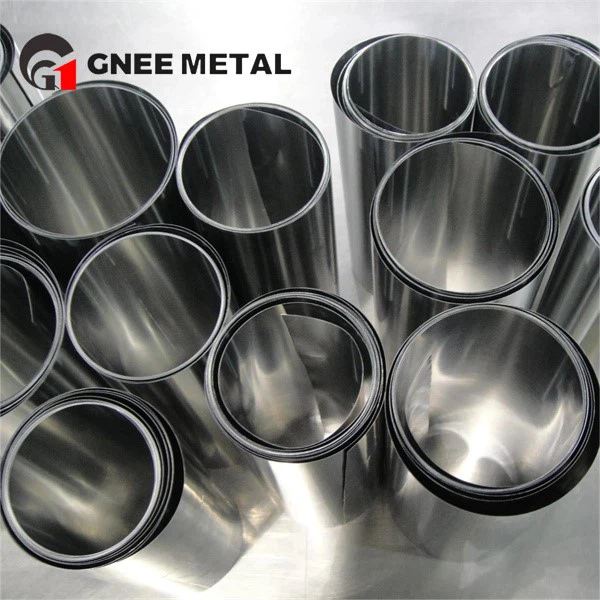
| Titanium Strips & Coils | Cold-Rolled Strip, Precision Foil, Coiled Strip | Grade 1, 2, 5 (Ti-6Al-4V), 12 | Thickness: 0.02mm (Foil) - 5mm Width: 5mm - 500mm Coil Weight: Up to 1000kg |
Bellows, Medical Stents, Gaskets, Honeycomb Cores, Springs, Electronic Components |
| Titanium Wires | Welding Wire, Spring Wire, Fastener Wire, Mesh Wire, Medical Suture Wire | Grade 1, 2, 4, 5 (Ti-6Al-4V), ELI (Extra Low Interstitial) | Diameter: 0.05mm - 10mm Condition: Annealed, Hard-Drawn Form: Coils, Spools, Straight Lengths |
3D Printing (Wire-AM), Welding Filler, Chemical Mesh, Orthodontic Archwires, Fishing Leaders, Springs |
Our factory
Our factory specializes in the field of international trade of titanium materials, professionally producing high-quality series products such as titanium tubes, titanium bars, titanium plates, titanium wires, and titanium strips. The factory is equipped with internationally advanced production and testing equipment, including precision forging units, high-speed cold rolling mills, vacuum melting furnaces, CNC spinning machines, continuous drawing production lines, and automated surface treatment systems. Coupled with precision testing instruments such as spectrometers and ultrasonic flaw detectors, we ensure precise control over the entire process from raw materials to finished products. We are committed to providing global customers with titanium products that offer excellent performance and a complete range of specifications through stable and reliable processes and strict quality management, meeting the application needs of high-end industries such as energy, chemical, aerospace, and medical fields.

Titanium product packaging
We place great emphasis on the transportation safety and delivery quality of our products. All titanium materials are packaged using strict industrial-grade solutions: titanium tubes and bars undergo anti-rust treatment, are tightly wrapped with waterproof stretch film, and then placed in reinforced wooden or iron boxes lined with moisture-proof paper, with fillers added to prevent sliding and collisions during transportation. Titanium plates and strips are covered with protective film, fitted with edge protectors, separated layer by layer with moisture-proof paper, loaded onto sturdy wooden or steel pallets, and securely fastened with steel straps. Fine titanium wires are neatly coiled onto specialized spools and encapsulated in sealed boxes that are waterproof and dustproof. Each packaging unit is accompanied by clear product labels, material certificates, and moisture-proof indicators, ensuring that the goods remain intact, clearly labeled, and safely delivered to global customers through long-distance sea freight and multimodal transportation.

Discuss Your Project Requirements


