


Industrial Titanium Sheet
Why Choose Us
High Quality
Our products are manufactured or executed to very high standards, using the finest materials and manufacturing processes.
Customized Services
We understand that each customer has unique manufacturing needs. That's why we offer customization options to cater to your specific requirements.
One-stop Solution
We can offer a range of services, from consultation and advice to product design and delivery. It is a convenience for the customers, as they can get all the help they need in one place.
Competitive Price
We offering a higher-quality product or service at an equivalent price. As a result we have a growing and loyal customer base.
What Is a Industrial Titanium Sheet?
An industrial titanium sheet is a flat piece of titanium material that is used in various engineering and manufacturing applications due to its unique properties. Titanium is known for its high strength-to-weight ratio, excellent corrosion resistance, and ability to withstand extreme temperatures, making it ideal for aerospace, marine, chemical processing, and biomedical industries, among others.


High strength-to-weight ratio
One of the primary benefits of industrial titanium sheet is its exceptional strength-to-weight ratio. This means that despite being lightweight, titanium sheet provides great structural integrity and durability, making it ideal for various industrial applications.
Corrosion resistance
Titanium sheet has excellent corrosion resistance properties, especially in environments that involve exposure to saltwater, chemicals, and high temperatures. This resistance makes it highly suitable for industries such as marine, chemical processing, and aerospace where exposure to corrosive elements is common.
Heat resistance
Titanium sheet exhibits impressive heat resistance, with a melting point exceeding 1668°C (3034°F). This property makes it ideal for applications that require high-temperature performance, such as heat exchangers, turbine components, and exhaust systems.
Biocompatibility
Titanium is biocompatible, meaning it is not toxic to living tissues and is well-tolerated by the human body. This makes it an excellent material for medical implants, dental tools, and surgical instruments, as it reduces the risk of rejection or adverse reactions when in contact with biological systems.
Low thermal expansion
Industrial titanium sheet has a low coefficient of thermal expansion, which means it expands and contracts minimally with temperature changes. This property is advantageous in applications where dimensional stability is critical, such as precision machinery, electronic components, and optical devices.
Excellent strength retention at high temperatures
Unlike many other metals, titanium maintains its strength and stiffness even at elevated temperatures. This property allows it to withstand extreme conditions without compromising on its mechanical properties, making it ideal for high-temperature applications.
Ductility and formability
Titanium sheet exhibits good ductility and formability, which means it can be easily shaped and formed into various complex parts and components. This versatility makes it a preferred choice in industries such as automotive, aerospace, and architecture.
Longevity and cost-effectiveness
Due to its superior corrosion resistance and durability, industrial titanium sheet offers long-lasting performance. While the initial cost of titanium may be higher compared to other metals, its extended lifespan and reduced maintenance requirements make it a cost-effective choice in the long run.
Types of Industrial Titanium Sheet
Pure Titanium Sheet: This type of industrial titanium sheet is made from pure titanium, which has excellent corrosion resistance and a high strength-to-weight ratio. It is commonly used in industries where lightweight yet durable materials are required, such as aerospace, automotive, and marine applications.
Titanium Alloy Sheet: Titanium alloy sheets are made by combining titanium with other elements, such as aluminum, vanadium, or iron, to enhance its properties. This type of titanium sheet offers improved strength, hardness, and heat resistance compared to pure titanium sheets. It is widely used in industries like medical, chemical processing, and power generation.
Grade 5 Titanium Sheet: Also known as Ti-6Al-4V, grade 5 titanium sheet is a popular choice in industries requiring high strength and corrosion resistance. It is made from a titanium alloy consisting of 90% titanium, 6% aluminum, and 4% vanadium. Grade 5 titanium sheets are utilized in applications like aircraft components, surgical implants, and high-performance racing parts.
Grade 2 Titanium Sheet: Grade 2 titanium sheet is commercially pure titanium with excellent weldability, formability, and corrosion resistance. It is primarily used in applications where ductility and ease of fabrication are important, including chemical processing equipment, heat exchangers, and desalination plants.
Titanium Clad Sheet: Titanium clad sheets are made by bonding a layer of titanium to one or both sides of another metal, such as stainless steel or carbon steel. This type of sheet combines the desirable properties of titanium, such as corrosion resistance and lightness, with the strength and cost-effectiveness of the base metal. Titanium clad sheets are commonly used in the manufacturing of reactors, heat exchangers, and chemical storage tanks.
Decorative Titanium Sheet: Decorative titanium sheets are treated with various surface finishes to create visually appealing patterns or textures. They are often used in architectural applications, interior design, and jewelry making. Decorative titanium sheets can add a modern and luxurious touch to any project.
Application of Industrial Titanium Sheet
Aerospace industry: Industrial titanium sheets are widely used in the aerospace industry due to their excellent strength-to-weight ratio and corrosion resistance. They are used in the construction of aircraft frames, wings, engine components, and other critical parts. The lightweight nature of titanium sheets allows for increased fuel efficiency and reduced emissions in aircraft.
Chemical industry: Industrial titanium sheets are highly resistant to corrosion by various chemicals, making them ideal for use in chemical processing plants. They are used in the construction of heat exchangers, reactors, storage tanks, and other equipment exposed to corrosive chemicals. Their resistance to corrosion ensures the equipment's longevity and reduces the risk of leaks or chemical reactions.
Medical industry: Titanium sheets are extensively used in the medical field due to their biocompatibility and strength. They are commonly used for the production of orthopedic implants such as plates, screws, and joint replacements. Titanium's ability to integrate with human bone tissue without causing adverse reactions makes it an excellent choice for medical applications.
Automotive industry: Titanium sheets find applications in the automotive industry as well. They are used in the manufacturing of exhaust systems, suspension components, and other parts that require high strength and resistance to heat and corrosion. The use of titanium sheets in automobiles helps in reducing weight, improving performance, and enhancing fuel efficiency.
Sports equipment: Industrial titanium sheets are used in the production of sports equipment, especially in the manufacturing of golf clubs, tennis rackets, and bicycles. Titanium's lightweight and high strength properties make it an ideal material for these applications. The use of titanium sheets in sports equipment allows for better control, increased durability, and improved performance for athletes.
Marine industry: Titanium sheets are extensively used in the marine industry due to their exceptional corrosion resistance in seawater. They are used in the construction of ship hulls, propellers, heat exchangers, and other marine equipment. The corrosion-resistant properties of titanium ensure the longevity and reliability of marine structures and equipment, even in harsh marine environments.
Architecture and construction: Titanium sheets are also employed in architectural and construction applications. They are used for cladding, roofing, and façade systems due to their aesthetic appeal, durability, and resistance to corrosion. Titanium sheets provide a unique and modern appearance while offering long-lasting performance in various architectural designs.
What Properties Make Titanium Sheets Suitable For Industrial Use?


High strength-to-weight ratio: Titanium sheets have an excellent strength-to-weight ratio compared to other metals, making them suitable for various industrial applications. It allows manufacturers to design lightweight products without compromising on structural integrity.
Corrosion resistance: Titanium is highly resistant to corrosion, particularly in aggressive environments such as saltwater or chemical processing plants. This property makes titanium sheets an ideal choice for applications where they come in contact with corrosive substances.
Heat resistance: Titanium has a high melting point and excellent heat resistance, enabling it to withstand high temperatures without deformation. This property makes titanium sheets suitable for use in industries involving extreme heat or combustion processes like aerospace, power generation, or automotive manufacturing.
Biocompatibility: Titanium is biocompatible, meaning it is non-toxic and does not cause any adverse reactions when in contact with the human body. This property makes titanium sheets highly desirable for medical applications, such as surgical implants or medical instruments.
Excellent resistance to fatigue and stress: Titanium sheets have exceptional resistance to fatigue and stress, making them suitable for applications where components need to endure repeated or cyclic loading. This property ensures the longevity and reliability of industrial products.
Low thermal expansion: Titanium exhibits low thermal expansion, meaning it does not contract or expand significantly with temperature changes. This property makes titanium sheets suitable for applications involving extreme temperature variations, such as in the aerospace industry.
Good electrical conductivity: Titanium has a relatively high electrical conductivity, allowing it to efficiently conduct electricity. This property makes titanium sheets suitable for electrical and electronics applications, such as circuit boards or electrical connectors.
Excellent formability and weldability: Titanium sheets can be easily formed and fabricated into various shapes, thanks to their good formability and weldability. This property provides manufacturers greater flexibility in designing and creating custom industrial components.
Non-magnetic: Titanium is a non-magnetic metal, which makes it suitable for applications where magnetic interference is a concern, such as in electronic devices or precision instruments.
Corrosion resistance: Titanium sheets are known for their exceptional corrosion resistance, making them suitable for use in many corrosive environments. They can withstand attacks from a wide range of corrosive chemicals, including acids, alkalis, and saltwater.
Passivation: In some cases, industrial titanium sheets may require passivation to enhance their corrosion resistance. Passivation is a process in which a protective oxide layer is formed on the surface of the titanium, preventing further corrosion and enhancing its compatibility with corrosive chemicals.
Specific chemical compatibility: While industrial titanium sheets generally have good resistance to many corrosive chemicals, it is essential to assess their compatibility with specific substances. Some highly concentrated acids or alkalis, or certain aggressive chemical mixtures, may still pose a risk to titanium. Therefore, it is crucial to consult with titanium suppliers or experts familiar with the specific chemical environment to determine the suitability of titanium sheets.
Temperature considerations: The performance of titanium sheets in corrosive chemical environments can be influenced by temperature. While titanium displays excellent corrosion resistance at room temperature, its resistance may decrease at elevated temperatures. Therefore, it is necessary to consider the operating temperature of the corrosive environment and choose the appropriate grade of titanium that can withstand the specific temperature range.
Surface finish and quality control: The surface finish of titanium sheets plays a significant role in their corrosion resistance. A smooth and defect-free surface is less susceptible to corrosion. Additionally, stringent quality control measures should be in place during the manufacturing process to ensure the production of titanium sheets with consistent quality and corrosion resistance.
How to Maintain Industrial Titanium Sheet?
Regular cleaning: Clean the titanium sheets regularly to remove any dirt, dust, or contaminants that may accumulate on the surface. Use mild soap or a specialized titanium cleaner along with a soft cloth or sponge. Avoid using abrasive materials or harsh chemicals that could scratch or damage the surface.
Avoid excessive heat exposure: Titanium sheets have excellent heat resistance, but prolonged exposure to high temperatures can still affect their properties. Avoid placing hot objects directly on the sheets to prevent discoloration or warping. If welding or other high-temperature processes are being carried out near the sheets, ensure proper shielding or protection is in place.
Prevent chemical damage: While titanium sheets are highly corrosion resistant, certain chemicals can still affect their surface. Avoid direct contact with strong acids, alkalis, or chlorides. If accidental spills occur, quickly rinse the affected area with plenty of water and consult a professional if needed. It is also advisable to store chemicals away from the titanium sheets to minimize the risk of accidental exposure.
Inspect for damage or signs of wear: Regularly inspect the titanium sheets for any signs of damage, such as scratches, dents, or cracks. If any damages are found, address them promptly to prevent further deterioration or compromise in performance. Consider seeking professional assistance for repairs or replacements if necessary.
Store properly: When not in use, store the titanium sheets in a clean and dry environment. Avoid stacking heavy objects on top of them to prevent deformation. Use protective covers or packaging to shield them from dust, moisture, or any potential impact.
Follow manufacturer guidelines: Always refer to the manufacturer's guidelines and recommendations for specific maintenance instructions. Different grades or types of titanium sheets may require slightly different care. Following these guidelines ensures that the sheets are maintained correctly and helps preserve their quality and longevity.
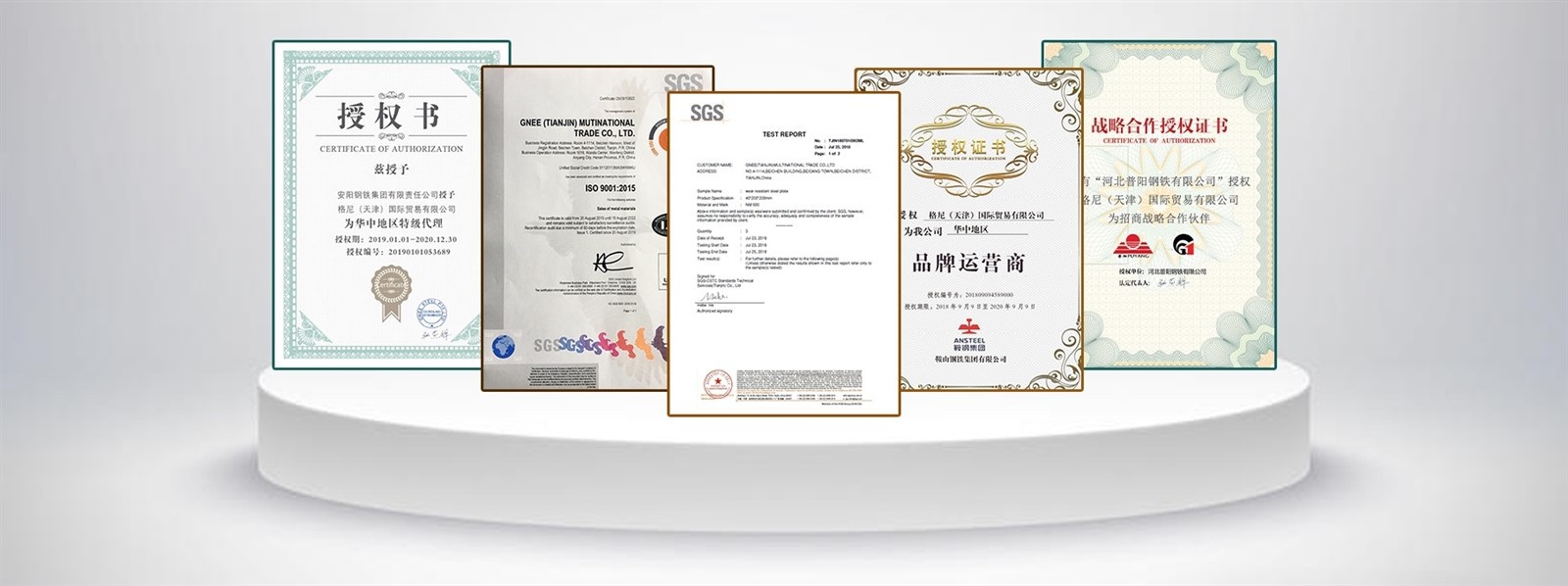
Certificate
Our Factory
Our main products: Titanium plate,titanium rod,titanium pipe,titanium foil,titanium wire, etc. Gnee exports titanium to more than 70 countries, cooperates with over 800 companies in worldwide, among which are 15 shipyards, 143 project engineering companies, 23 boiler machinery manufacturers. Annual export capacity reaches over 80000 metric tons.


Frequently Asked Questions Industry Titanium Sheet
Q: What are industrial titanium sheets?
Q: What properties make titanium sheets suitable for industrial use?
Corrosion Resistance: Titanium is highly resistant to corrosion from seawater, chlorine, and acids. Its ability to withstand harsh environments without corroding makes it ideal for chemical processing, marine structures, and medical implants.
Biological Compatibility: Titanium is non-toxic and inert, which means it is compatible with body tissues and fluids. This characteristic is crucial for surgical implants and prosthetics.
Heat Transfer: Titanium has good thermal conductivity, which allows for efficient heat transfer in applications like heat exchangers and cooling systems.
Low Thermal Expansion: Titanium's low coefficient of thermal expansion offers stability across a wide range of temperatures, essential for maintaining precision in high-stress or high-temperature environments.
Machinability: Despite its strength, titanium can be machined using appropriate techniques and tools. While it requires special considerations due to its toughness, it can be formed into complex shapes for specialized components.
Non-magnetic: Titanium is non-magnetic, which is advantageous in electronics and medical devices where magnetic interference must be avoided.
Recyclability: Titanium can be recycled, contributing to sustainable engineering practices and reducing environmental impact.
Due to these properties, titanium sheets are widely used in various industries including aerospace, marine, chemical processing, power generation, and biomedical engineering. However, despite its many advantages, the high cost of raw materials and processing can sometimes limit its use in less demanding applications where alternative materials may suffice.
Q: What are the common sizes and thicknesses of industrial titanium sheets?
Q: Can industrial titanium sheets withstand high temperatures?
The ability of titanium to withstand high temperatures is attributed to its high melting point (around 1668°C), low coefficient of thermal expansion, and its ability to retain good mechanical strength at elevated temperatures without losing ductility. Additionally, the thermal conductivity of titanium is moderate, which helps in controlling heat distribution within the material.
However, it's important to note that at very high temperatures, above 540°C, the mechanical properties of pure titanium start to degrade, leading to a decrease in strength and an increase in internal stresses. For this reason, specialized titanium alloys with improved temperature capabilities have been developed for extreme conditions.
Q: Are industrial titanium sheets resistant to corrosion?
Q: Can industrial titanium sheets be welded?
Q: What are some common applications of industrial titanium sheets?
Q: Are titanium sheets more expensive than other metals?
Q: Can industrial titanium sheets be machined?
Q: Are industrial titanium sheets recyclable?
Q: What is the weight of industrial titanium sheets compared to steel?
Q: Can industrial titanium sheets be used in corrosive chemical environments?
Q: Can industrial titanium sheets be painted or coated?
Q: Can industrial titanium sheets be formed into complex shapes?
Q: Are industrial titanium sheets magnetic?
Q: Can industrial titanium sheets be used in high-pressure environments?
Q: Are industrial titanium sheets suitable for cryogenic applications?
Q: Can industrial titanium sheets be anodized?
Q: What are the limitations of industrial titanium sheets?
Q: Where can I buy industrial titanium sheets?
Hot Tags: industrial titanium sheet, China industrial titanium sheet manufacturers, suppliers, factory, titanium, titanium plate price, titanium plate with holes, titanium plate assembly, pure Gr23 titanium sheet, Gr2 Titanium plate Metal, Gr12 pure titanium plate
Previous
Gr1 Titanium PlateYou Might Also Like



Send Inquiry