


Alloy Titanium Foil
Why Choose Us
High Quality
Our products are manufactured or executed to very high standards, using the finest materials and manufacturing processes.
Customized Services
We understand that each customer has unique manufacturing needs. That's why we offer customization options to cater to your specific requirements.
One-stop Solution
We can offer a range of services, from consultation and advice to product design and delivery. It is a convenience for the customers, as they can get all the help they need in one place.
Competitive Price
We offering a higher-quality product or service at an equivalent price. As a result we have a growing and loyal customer base.
What Is a Alloy Titanium Foil?
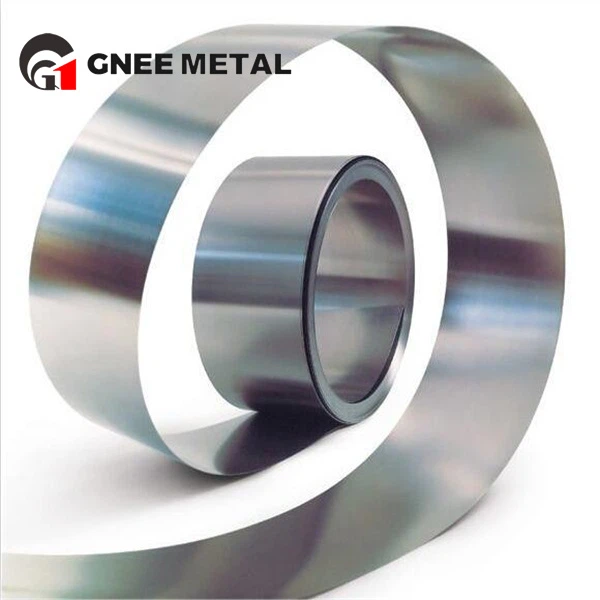
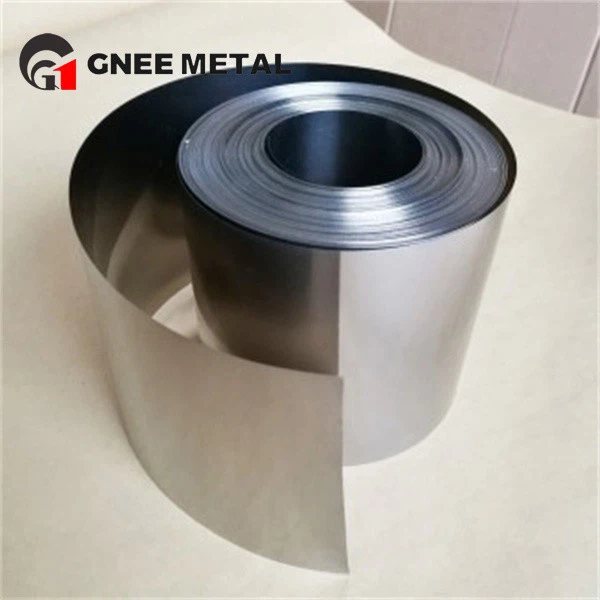
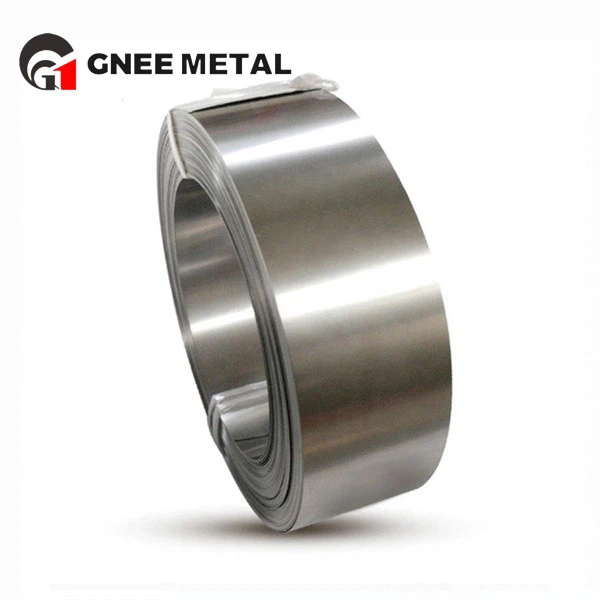
Alloy titanium foil refers to a thin sheet of titanium that has been alloyed with other elements to enhance its properties for specific applications. Titanium itself is a strong, lightweight metal with excellent corrosion resistance, but when alloyed with elements like aluminum, vanadium, molybdenum, or nickel, it gains additional characteristics that can be tailored to different industrial requirements.


Lightweight
Alloy titanium foil is known for its lightweight properties. It is approximately 60% lighter than stainless steel foil of the same thickness, making it an ideal choice for applications where weight is a concern. This feature is especially advantageous in aerospace, automotive, and sporting goods industries.
High Strength
Despite its lightweight nature, alloy titanium foil has high strength. It offers exceptional tensile strength, allowing it to withstand significant stresses and strains. This makes it suitable for use in situations where high-performance materials are required.
Corrosion Resistance
Alloy titanium foil exhibits excellent corrosion resistance, making it highly desirable in various industries, including chemical processing, marine, and medical. It resists corrosion from a wide range of chemicals and environments, including seawater and acidic solutions. This property ensures that the foil maintains its integrity and performance over time.
Temperature Tolerance
Alloy titanium foil has exceptional temperature tolerance. It can withstand high temperatures without losing its strength or shape. This property makes it suitable for use in heat exchangers, heat shields, and other applications involving extreme temperatures.
Biocompatible
Titanium alloy foil is biocompatible, meaning it is non-toxic and non-reactive when in contact with the human body. This property makes it an excellent material choice for medical applications, such as prosthetics, implants, and surgical instruments.
Excellent Formability
Alloy titanium foil can be easily formed into various shapes and sizes without losing its properties. It can be rolled, bent, or stamped into intricate designs, allowing for customization and versatility in manufacturing processes.
Good Conductivity
Titanium alloy foil has good electrical conductivity, allowing it to be used in electronic applications, such as printed circuit boards and batteries.
Longevity
Due to its superior corrosion resistance and high strength, alloy titanium foil has a longer lifespan compared to other materials. This translates to cost savings as it requires less maintenance and replacement over time.
Types of Alloy Titanium Foil
Commercially Pure Titanium Foil: This type of alloy titanium foil is made from pure titanium, with a high level of purity.It is widely used in various applications, such as aerospace, medical, and chemical industries.Commercially pure titanium foil offers good corrosion resistance and excellent strength-to-weight ratio.
Titanium Alloy Foil: Titanium alloy foil is made by combining titanium with other elements, such as aluminum, vanadium, or nickel.These alloys improve the strength, hardness, and temperature resistance of the titanium foil.Titanium alloy foil finds applications in aircraft components, sporting goods, and automotive industries.
Graded Titanium Foil: Graded titanium foil refers to a type of alloy titanium foil that consists of multiple layers, each with a different composition.This type of foil provides a gradual transition in properties, allowing for tailoring the material to specific applications.Graded titanium foil is used in advanced engineering applications, including aerospace and biomedical implants.
Beta Titanium Foil: Beta titanium foil is an alloy that contains a high percentage of the beta phase.This type of foil offers excellent corrosion resistance, high strength, and good flexibility.Beta titanium foil is commonly used in the medical field for surgical implants and orthodontic applications.
Alpha-Beta Titanium Foil: Alpha-Beta titanium foil is an alloy that combines both the alpha and beta phases of titanium.It offers a balance between strength and ductility, making it suitable for various applications.This type of foil is used in aerospace components, marine hardware, and architecture.
Nitinol Foil: Nitinol foil is a shape memory alloy that consists of nearly equal parts of nickel and titanium.It exhibits unique properties such as superelasticity and shape memory effect.Nitinol foil is utilized in industries like medical (stents, dental wires) and robotics.
Application of Alloy Titanium Foil
Aerospace industry: Alloy titanium foil is widely used in the aerospace industry due to its excellent strength-to-weight ratio. It is used in the manufacture of aircraft components, such as wings, fuselage, and engine parts. The lightweight nature of alloy titanium foil helps reduce the overall weight of the aircraft, leading to improved fuel efficiency and better performance.
Medical industry: Alloy titanium foil finds application in the medical field due to its biocompatibility and corrosion resistance. It is used in the manufacture of medical implants, such as dental implants, joint replacements, and surgical instruments. The biocompatibility of the alloy titanium foil ensures minimal adverse reactions in the human body, making it an ideal material for medical applications.
Electronics industry: Alloy titanium foil is used in the electronics industry for its excellent electrical conductivity and heat resistance. It finds application in the production of electronic components, such as capacitors, resistors, and circuit boards. The high conductivity of alloy titanium foil ensures efficient electrical performance, while its heat resistance properties help withstand high temperatures during electronic device operation.
Chemical industry: Alloy titanium foil is utilized in the chemical industry due to its exceptional resistance to corrosion. It is used in the fabrication of chemical reactor vessels, heat exchangers, and other equipment that come into contact with corrosive materials. The corrosion resistance of the alloy titanium foil ensures prolonged equipment life and reduces the need for frequent maintenance and replacement.
Automotive industry: Alloy titanium foil is increasingly used in the automotive industry for various applications. It is employed in the production of lightweight components, such as exhaust systems, suspension parts, and engine components. The lightweight nature of alloy titanium foil helps improve fuel efficiency, reduce emissions, and enhance overall vehicle performance.
Alloy Titanium Foil Manufacturing process

Raw material selection
Titanium alloy is the primary raw material for manufacturing alloy titanium foil.
The selection criteria include alloy composition, purity, and desired mechanical properties.
The raw material is typically sourced from reputable suppliers to ensure quality.
Melting and casting
The selected titanium alloy is melted in a furnace under controlled conditions.
The molten alloy is cast into desired shapes, such as an ingot or slab, using molds or continuous casting techniques.
The casting process helps achieve the necessary chemical composition and solidification structure.
Hot rolling
The cast titanium alloy is subjected to hot rolling for reduction in thickness and refinement of microstructure.
The alloy is heated to an elevated temperature to enhance its plasticity and reduce deformation resistance.
The hot rolling process involves passing the alloy through multiple rolling mill stands to progressively reduce thickness.
The rolling process enhances the mechanical properties and improves the overall homogeneity of the alloy.
Heat treatment
After hot rolling, the titanium alloy foil undergoes a heat treatment process to relieve stresses, improve its mechanical properties, and optimize its microstructure.
The heat treatment typically involves annealing, where the foil is heated and then slowly cooled to specific temperatures and time periods.
Cold rolling
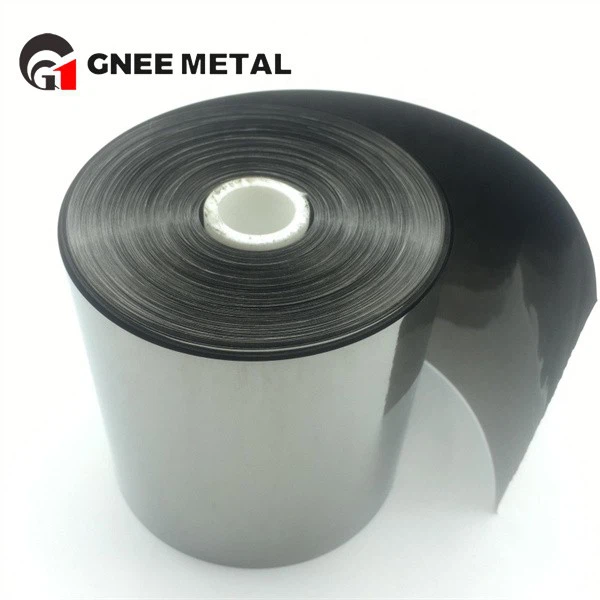
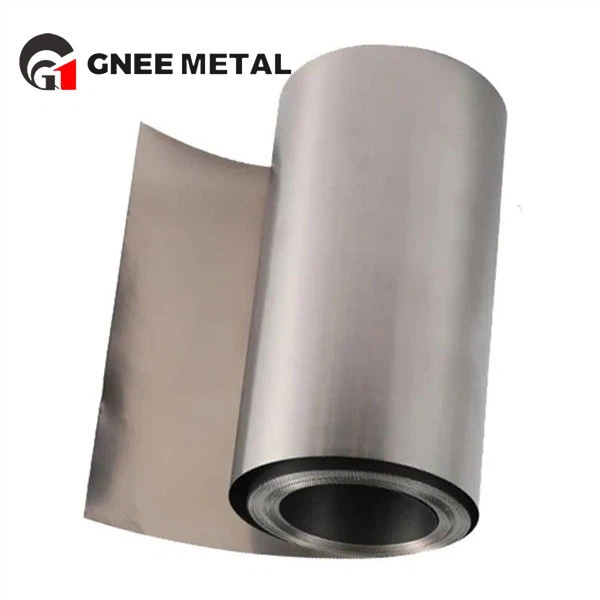
The heat-treated titanium foil is further processed through cold rolling to achieve the desired final thickness and surface finish.
Cold rolling involves passing the foil through multiple rolls at room temperature to reduce its thickness.
This step imparts excellent dimensional control, surface quality, and mechanical properties to the foil.
Surface treatment and finishing
The cold-rolled titanium foil may undergo surface treatment processes to improve its surface properties, such as cleaning, pickling, and polishing.
The foil can also be cut into desired dimensions and undergo additional finishing processes, including heat treating or coating application, as per specific requirements.
Quality control and testing
Throughout the manufacturing process, various quality control measures, including dimensional inspection, chemical analysis, and mechanical testing, are conducted.
Non-destructive testing techniques, such as ultrasonic or X-ray examination, may also be employed to ensure the foil's integrity.
Packaging and storage
The alloy titanium foil is carefully packaged, usually in plastic or metal containers, to protect it from damage during shipping and storage.
Proper labeling and documentation of the foil's specifications and manufacturing details are also done.
The packaged foils are stored in controlled environments to prevent any degradation or contamination until they are ready for use.
Titanium: The primary element in alloy titanium foil is titanium itself, which accounts for a significant portion of the composition. Titanium is a strong and lightweight metal known for its excellent corrosion resistance properties.
Aluminum: Alloy titanium foil often includes a small percentage of aluminum. The addition of aluminum enhances the strength and hardness of the foil, making it suitable for various applications in industries such as aerospace, automotive, and chemical.
Vanadium: Another essential element found in alloy titanium foil is vanadium. Vanadium offers increased strength, toughness, and heat resistance to the foil. It enhances the overall performance and mechanical properties of the material.
Iron: Iron is occasionally added to the alloy titanium foil composition to improve its machinability and weldability. It also enhances the stability and durability of the foil in high-temperature environments.
Carbon: Carbon can be present in small amounts in alloy titanium foil. The addition of carbon helps to improve the foil's hardness and strength by forming carbides in the material structure.
Nitrogen: Nitrogen is sometimes introduced to the alloy titanium foil to enhance its corrosion resistance properties. Nitrogen forms nitrides, which effectively prevent the formation of harmful oxides and protect the foil from corrosive environments.
Other trace elements: Depending on the specific application requirements, alloy titanium foil composition may include trace elements such as hydrogen, oxygen, and other metallic impurities. These elements can have varying effects on the foil's mechanical and chemical properties.
How to maintain Alloy Titanium Foil?
Cleaning: Regular cleaning is crucial to maintain the alloy titanium foil's appearance and performance. You can clean it with a mild soap or detergent solution and warm water. Avoid using abrasive cleaners or scrubbing brushes that may scratch the surface.
Avoid harsh chemicals: When cleaning or handling alloy titanium foil, avoid contact with harsh chemicals such as bleach, acidic substances, or strong solvents. These chemicals can damage the foil's surface and affect its properties.
Prevent scratches: Keeping the alloy titanium foil scratch-free is essential to maintain its integrity. Avoid using sharp objects or abrasive materials that can cause scratches. If you need to handle the foil frequently, consider wearing gloves to minimize direct contact with the surface.
Store properly: When not in use, store the alloy titanium foil in a clean, dry, and protected area. Avoid stacking heavy objects on top of the foil, as they can deform or cause damage. Additionally, store the foil away from areas with excessive moisture, direct sunlight, or extreme temperatures.
Regular inspections: Regularly check the alloy titanium foil for signs of damage, such as cracks, dents, or discoloration. If you notice any issues, take appropriate actions, such as repairs or replacements, to maintain the foil's performance.
Avoid deformation: Alloy titanium foil should be handled with care to prevent deformation. Whenever you need to bend or shape the foil, use appropriate tools and follow the recommended techniques. Applying excessive force or improper bending can lead to permanent deformation and compromise its functionality.
Avoid excessive force: Avoid subjecting the alloy titanium foil to excessive force or pressure, as it can lead to cracking or breaking. Handle the foil gently during transportation or installation to prevent unnecessary stress on the material.
Seek professional help: If you are unsure about maintaining the alloy titanium foil or encounter major issues, seek professional assistance. Experts in titanium foil handling and maintenance can provide guidance and solutions specific to your situation.
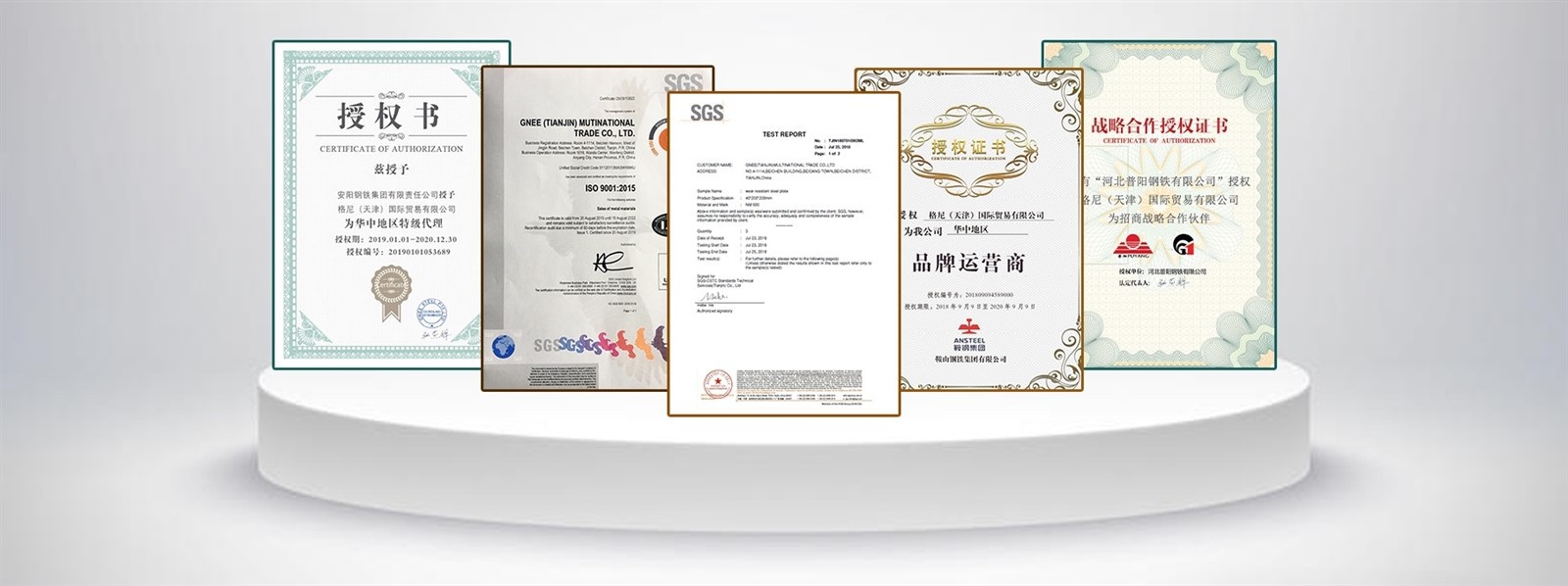
Certificate
Our Factory
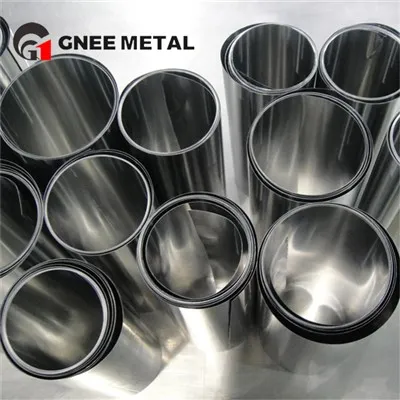
Our main products: Titanium plate,titanium rod,titanium pipe,titanium foil,titanium wire, etc. Gnee exports titanium to more than 70 countries, cooperates with over 800 companies in worldwide, among which are 15 shipyards, 143 project engineering companies, 23 boiler machinery manufacturers. Annual export capacity reaches over 80000 metric tons.


Frequently Asked Questions Alloy Titanium Foil
Q: What is Alloy Titanium Foil?
Q: What are the common applications of Alloy Titanium Foil?
Q: Can Alloy Titanium Foil be easily molded or shaped?
To shape titanium alloy foil, manufacturers commonly employ the following methods.
Cold rolling: This process involves passing the foil through rollers at room temperature to reduce its thickness and increase its strength. It can cause work hardening, which may require subsequent heat treatment to relieve stresses and restore ductility.
Hot rolling: By heating the foil to elevated temperatures, hot rolling allows greater plastic deformation without the risk of fracturing. This method is often used to produce thicker sheets or plates that require further shaping.
Deep drawing: This technique is used to form titanium foil into complex shapes with a punch and die under tensile stress. Deep drawing may require intermediate annealing steps to prevent cracking and maintain ductility.
Spinning: For rotationally symmetric parts, spinning involves holding the foil against a rotating form and stretching it to the desired shape. This process is typically used for creating thin-walled titanium components with a symmetrical geometry.
Machining: Titanium alloy foil can be machined using conventional tools, although it tends to generate more heat due to its high strength and low thermal conductivity. Therefore, careful selection of cutting fluids and tool materials is necessary to avoid damage to the workpiece or tools.
Shearing: With the appropriate equipment, titanium foil can be cut to shape using shearing forces. This method is straightforward but may require consideration of the alloy's tensile strength.
Laser cutting: High-energy laser beams can precisely cut titanium foil, providing clean edges and intricate patterns with minimal heat input, which is advantageous for sensitive applications.
Q: What are the advantages of using Alloy Titanium Foil?
Q: Can Alloy Titanium Foil be welded or joined with other materials?
Q: Is Alloy Titanium Foil safe for medical applications?
Q: Does Alloy Titanium Foil have any limitations or drawbacks?
Q: How is Alloy Titanium Foil produced?
Q: Are there different grades of Alloy Titanium Foil available?
Q: Can Alloy Titanium Foil be recycled?
Q: What is the typical thickness of Alloy Titanium Foil?
Q: Can Alloy Titanium Foil be used in extreme environments?
Q: How does Alloy Titanium Foil compare to other lightweight materials such as aluminum?
Q: Can Alloy Titanium Foil be used in electrical applications?
Q: Is Alloy Titanium Foil suitable for use in seawater environments?
Q: Can Alloy Titanium Foil be coated with other materials?
Q: How is Alloy Titanium Foil stored and handled?
Q: Can Alloy Titanium Foil be used in high-temperature applications?
Q: Is Alloy Titanium Foil suitable for chemical processing applications?
Q: Where can I purchase Alloy Titanium Foil?
Hot Tags: alloy titanium foil, China alloy titanium foil manufacturers, suppliers, factory, titanium, Gr5 Titanium foil Coil, Pure Gr1 Titanium Coil Strip, thin Gr5 titanium foil, titanium foil elasticity, titanium foil density, titanium foil brittleness
Next
Titanium StripYou Might Also Like




Send Inquiry