


Products Description
Titanium Gr 5 Gr7 Gr9 Straight Pipe
Thin Walled Gr23 Capillary Titanium Tubes
Grade 2 High Purity Titanium Foil
Generally speaking, titanium exhibits good corrosion resistance in oxidizing media (such as nitric acid, chromic acid, hypochlorous acid, and perchloric acid). In these media, titanium forms a dense oxide film that effectively prevents further corrosion. However, in reducing acids (such as dilute sulfuric acid and hydrochloric acid solutions), the passivity of the oxide film is compromised, leading to relatively fast corrosion rates that increase with rising temperature and concentration.
In reducing acids, the addition of heavy metal salts can significantly inhibit corrosion. For example, titanium-palladium alloys and titanium-nickel-molybdenum alloys, through the addition of specific heavy metal elements, demonstrate markedly improved corrosion resistance compared to industrial pure titanium. This enables these alloys to perform exceptionally well in specific corrosive environments.
Titanium is one of the best metal materials for heating equipment in nitric acid solutions. When exposed to 60% nitric acid at approximately 193°C, titanium heat exchangers show no significant signs of corrosion even after years of use. Even in boiling 40% and 68% nitric acid, although the corrosion rate may be high initially, titanium's passivity is quickly restored, leading to a significant reduction in corrosion rates. This may be related to the inhibitory effect of titanium ions produced during the corrosion process.

In high-temperature nitric acid, titanium's corrosion resistance depends on the purity of the nitric acid. When the nitric acid concentration is between 20% and 60%, corrosion may be more pronounced. However, even in nitric acid solutions containing trace metal ions (such as Si, Cr, Fe, and Ti), these ions can help mitigate titanium corrosion. Compared to stainless steel, titanium demonstrates superior corrosion resistance in high-temperature nitric acid solutions. Additionally, titanium's corrosion product (Ti⁴⁺) itself acts as an excellent inhibitor for nitric acid corrosion.
In aerated sulfuric acid at room temperature, industrial pure titanium can only withstand sulfuric acid concentrations below 5%. As the temperature decreases, the tolerable sulfuric acid concentration increases. However, when the temperature rises to the boiling point, titanium corrodes even at sulfuric acid concentrations as low as 0.5%. At the same temperature, if nitrogen gas is introduced into the sulfuric acid solution, the corrosion rate of titanium becomes significantly higher than in aerated conditions. This corrosion behavior is generally similar in other reducing inorganic acids.
At room temperature, industrial pure titanium can withstand hydrochloric acid solutions below 7%. However, its corrosion resistance decreases significantly as the temperature rises. In comparison, titanium-nickel-molybdenum alloys can resist 9% hydrochloric acid solutions, while titanium-palladium alloys can tolerate concentrations as high as 27%. The addition of high-valent heavy metal ions (such as iron, nickel, copper, and molybdenum) can significantly enhance titanium's corrosion resistance. This is one of the reasons why titanium is successfully used in hydrochloric acid systems in the hydrometallurgical industry.
Additionally, at room temperature, industrial pure titanium can withstand phosphoric acid solutions below 30%. However, as the temperature increases, the tolerable phosphoric acid concentration gradually decreases. At 100°C, the phosphoric acid concentration must be maintained at around 2%. Nevertheless, when the temperature reaches the boiling point, it does not further accelerate titanium corrosion.
In summary, titanium's corrosion resistance in different media varies significantly due to its unique chemical properties and alloying methods. In practical applications, it is essential to select the appropriate titanium material or alloy based on specific corrosive environments and requirements to meet operational needs.
Titanium specifications provided by GNEE
CNC machined parts
|
Type
|
Drilling, Etching,Chemical Machining, Laser MachiningMilling, Other Machining Service, Turning, Wire EDM,Rapid Prototyping
|
|||
|
Material
|
Titanium,Aluminum, Brass, Bronze, Copper, Hardened Metal, Pre-cious Metal, Stainless Steel, Steel Alloy
|
|||
|
Process
|
CNC Machining,CNC Turning, CNC Milling, CNC Boring,CNC Grinding,CNC Drilling
|
|||
|
Surface Treatment
|
Anodizing,Plating,Polishing,Sandblasting,Laser Engraving,Oxide Black,Nickel Plating,Chrome Plat Or Customer's Requirements
|
|||
|
Tolerance
|
+/-0.01mm
|
|||
|
Lead Time
|
Sample: 7 days
|
|||
|
Mass Production
|
2-3 weeks
|
|||
|
Package
|
Standard Carton Or Plastic Tray, Sponge Tray, CardboardTray, etc., Can Be Customized According To CustomerRequirements
|
|||
|
Application
|
Appliance,Auto, Building, Capital equipment, Energy,Instrumentation,Medical device.Telecommunications
|
|||
Titanium tube
|
Material |
Pure Titanium/ Titanium Alloy |
|
Standard |
GB/T 3624,GB/T 3625,GB/T 26057
ASTM B337,ASTM B338,ASTM B861,ASTM B862 JIS H 4630 |
|
Common Grade |
National standard grades: TA1, TA2, TC4, TA9, TA18, TA10 |
|
|
Length: 50-6000mm or according to customer requirements |
|
Outer diameter: 6-80mm or according to customer requirements |
|
|
Wall thickness: 0.35-10mm or according to customer requirements |
|
|
Production Process |
Welding or Seamless |
|
Section shape |
Round and others |
|
Surface |
Bright annealing, Pickling,Polishing |
|
Packing |
Coil or straight length by boxes |
Titanium rod
|
item |
Titanium Bars /Titanium Rod |
|
Standard |
GB/T2965-2007,JIS H4650-2001,ASTM B348-06,DIN17862-93, ASTM F136,AMS4928,GB/T13810,Q/BS5331-91,etc |
|
Grade |
TA1,TA2,TA3,TA7,TA9,TA10,TC4,TC4ELI,TC6,TC9,TC10,TC11, GR1,GR2,GR3,GR5,GR7,GR12 |
|
Diameter |
1-500mm |
|
Length |
1-12m |
|
Surface |
Black,polish,brush,hair line,etc |
|
Package |
Standard export package ,by wooden box ,or as required |
|
Application |
Titanium bar Is mainly used in machinery and equipment, electroplate equipment, medical and all kinds of precision parts and other industries |
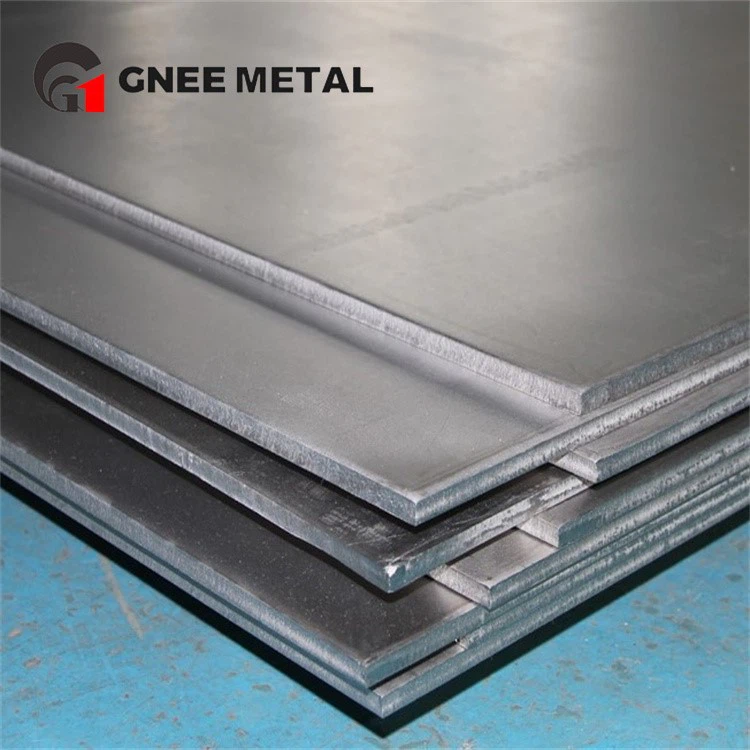
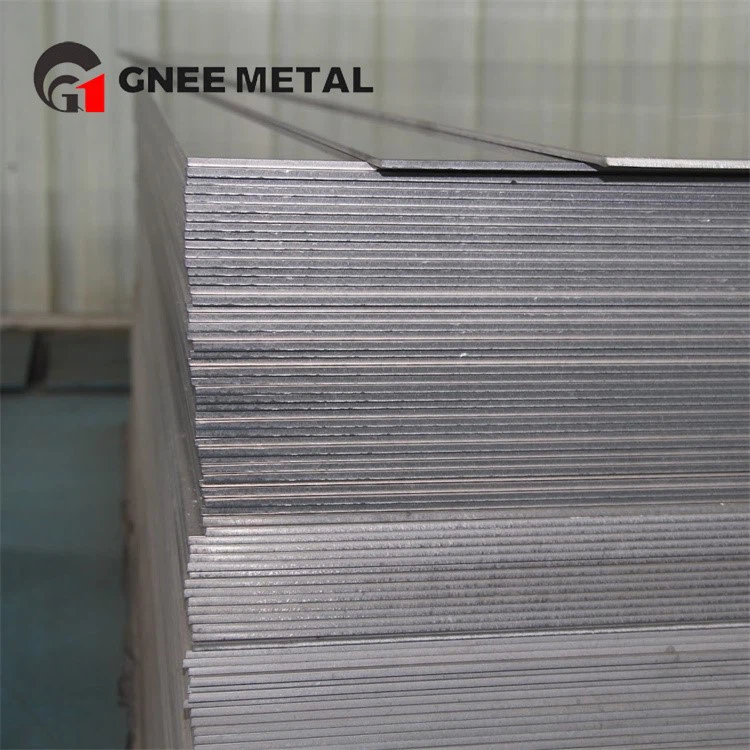
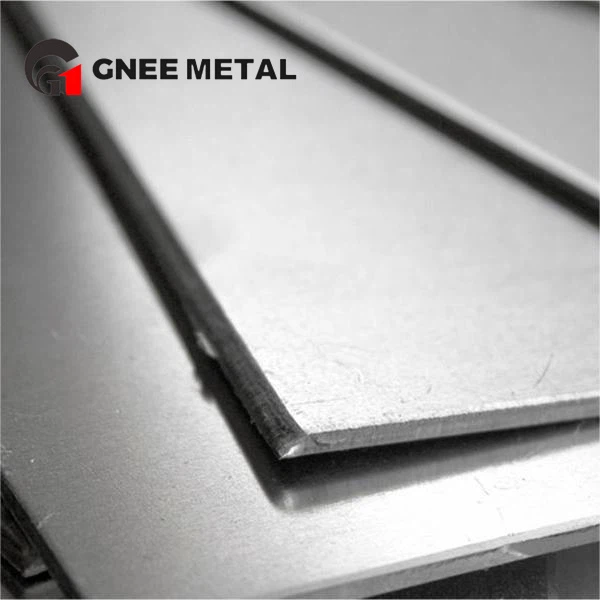
Titanium Sheet/Coil
|
Titanium Plate and sheet Type |
Plate, Sheet, Strip, Coils, Foils, Flats, Clad Plate, Plain Sheet, Rolling Sheet, Rolling Plate, Flat Shim, Flat Sheet, Shim |
|
Grade |
Gr1 Gr2 Gr3 Gr4 Gr7 Gr9 Gr12 ASME SB265,AMS 4911,AMS 4919,AMS 4914,ASTM F67,ASTM F136, MSRR, AMS, BS |
|
Titanium Alloy Plate Length |
1000mm-13000mm or as required |
|
Titanium Plate Width |
1000mm-1219mm-1500mm-1800mm-2000mm-2500mm or as required |
|
UNS Plate Thickness |
0.3 to 120mm or as required |
|
ASTM B265 Titanium Alloy Plate Process |
Hot/ Cold Rolled/forging |
|
Titanium Sheet ASTM |
ASTM B265 |
|
Titanium Sheet AMS |
AMS 4902 |
|
Tolerances of width and thickness |
EN 10258 (formerly DIN 59381),EN 10151 ASTM B265 Titanium Alloy strip for springs,EN 10088 ASTM B265 Titanium Alloy strip |
|
Cp Titanium Plate standards and approvals |
EN ISO 18286 EN 10051 EN 10088-1 ISO 15510 EN ISO 9445 ASTM A 480 ASTM A 959 ASME IID |
|
Standard Plate & Sheet Sizes |
1000 x 2000 mm, 1220 x 2440 mm, 1500 x 3000 mm, 2000 x 2000 mm, 2000 x 4000 mm |
|
Cold rolled Titanium Plate 0.5-6.4 mm |
|
|
Hot rolled Titanium Plate 3.0–60.0 mm |
|
|
UNS Plate Hardness |
Soft, Hard, Half Hard, Quarter Hard, Spring Hard ASTM B265 Titanium Alloy Sheet suppliers |
|
Availability of Titanium Alloy Foil sizes |
Thickness : 8-100 microns (0.00031-0.004 in) |
|
Width: Up to 500 mm (19.5 in) |
|
|
Weight (in rolls) : Up to 50 kg (110 lb); e.g. approxi- mately 1400 m at 8 microns and ap- proximately 112 m at 100 microns. |
|
|
Cutting |
To provide a comprehensive service, we use a variety of cutting methods, including: |
|
Plasma profiles |
As per customer's drawings |
|
Value added services for Cp Titanium Plate |
Laser cutting, Waterjet cutting, Plasma cutting, Bending and mechanical processing, edge preparation, welding, sawing and |
|
China Titanium Plate Manufacturer |
ASTM B265 Titanium Alloy Plate: material 3/16″ [5.00 mm] and over in thickness and over 10″ [250 mm] in width; Titanium Sheet: |
|
UNS Plate Origin |
CHINA |
|
Packing of DIN plate |
Bundles with waterproof cloth outside or plywood box |
|
Test |
UT, SGS testing, TUV etc |
titanium wire
|
Product Name |
Factory direct titanium wire pure titanium alloy wire special specifications can be sold |
|
Material |
Pure titanium and Titanium alloy |
|
Titanium Grade |
GR1/GR2/GR3/Gr4/GR5/GR7/GR9/GR12/Gr5Eli/Gr23
ERTi-1/ERTi-2/ERTi-3/ERTi-4/ERTi-5Eli/ERTi-7/ERTi-9/ERTi-11/ERTi-12 Ti15333/Nitinol Alloy |
|
Standard |
AWS A5.16/ASTM B863/ASME SB863, ASTMF67, ASTM F136, ISO-5832-2(3) etc |
|
Shape |
Titanium Coil Wire/Titanium Spool Wire/Titanium Straight Wire |
|
Wire Gauge |
Dia(0.06--6) *L |
|
Process |
Bar billets-hot rolling-drawing-annealing-strength-pickling |
|
Surface |
Polishing, picking, acid washed, black oxide |
|
Main Technique |
Hot Forged; Hot Rolled; Cold drawn; Straighten etc |
|
Material Milling Certificate |
According to. EN 10204.3.1 |
|
Application |
Welding, Industry, Medical, Aerospace, Electronic etc |
The company boasts leading domestic titanium processing production lines, including:
German-imported precision titanium tube production line (annual production capacity: 30,000 tons);
Japanese-technology titanium foil rolling line (thinnest to 6μm);
Fully automated titanium rod continuous extrusion line;
Intelligent titanium plate and strip finishing mill;
The MES system enables digital control and management of the entire production process, achieving product dimensional accuracy of ±0.01μm.


