


TA7 (Gr6) alloy, with its precise formulation of 5% aluminum and 2.5% tin, combines high-temperature stability with excellent fusion welding performance. It demonstrates outstanding capabilities in aerospace and extreme environments. Its low-density and high-strength characteristics offer lightweight solutions for industrial manufacturing.
What is GR6 titanium?
TA7 (Gr6) alloy has a nominal composition of Ti-5Al-2.5Sn, meaning it contains 5% by weight of the α-stabilizing element aluminum (Al) and 2.5% of the neutral element tin (Sn). The addition of aluminum effectively enhances the alloy's thermal strength and stability at high temperatures, while tin helps improve its overall mechanical properties, including strength and toughness. This meticulously designed composition grants the TA7 (Gr6) alloy good fracture toughness at both room and elevated temperatures, along with excellent fusion weldability, making it suitable for tungsten inert gas (TIG) and metal inert gas (MIG) welding processes under inert gas protection.
As an α-type titanium alloy, it cannot be strengthened by conventional heat treatment and is typically used in the annealed state to achieve its optimal performance.
Analysis of Different Grades
1. Standard TA7 Grade
This is the common, base-grade TA7 (Gr6) alloy. Its chemical composition strictly adheres to relevant standards, ensuring precise control over element and low-level impurity (Fe, C, N, H, O) content.
Properties: It has a density of approximately 4.42 g/cm³, offering significant weight-saving advantages. Key mechanical data includes a room-temperature elastic modulus of 113 GPa, Poisson's ratio of 0.33, and a Brinell hardness range of 277-286 HB.
Temperature Range: It can operate at temperatures up to 500°C for long-term service, with short-term exposure capabilities reaching 800°C. This makes it suitable for applications such as certain aircraft engine components where it must withstand high temperatures and stress.
TA7ELI Grade
TA7ELI is a low-interstitial variant of the TA7 alloy. Its defining feature is much stricter control over interstitial elements (oxygen, nitrogen, carbon) and other impurities compared to the standard TA7 grade.
Primary Advantage: This characteristic gives TA7ELI alloy superior performance in low-temperature/cryogenic environments. It maintains excellent toughness and strength under extreme cold, preventing material embrittlement and performance degradation.
Performance: It exhibits significantly better impact toughness at low temperatures than the standard TA7 grade, providing a vital safety margin for equipment operating in such extreme conditions.


Interpretation of Relevant Specifications
1. Material Standards
The production and quality of TA7 (Gr6) alloy are governed by comprehensive standards.
Domestic Standards: A series of Chinese national standards (GB/T) strictly regulate its chemical composition, allowable deviations, and the mechanical properties and dimensions of various product forms (plate, bar, wire, tube).
International Standards: Internationally, organizations like ASTM (e.g., ASTM B348 for bars) and AMS (Aerospace Material Specifications) provide standardized criteria. Specific AMS standards, such as those for annealed sheet, strip, plate, and forgings, detail the special requirements for this alloy's use in high-precision aerospace applications.
2. Heat Treatment Specifications
Proper heat treatment is crucial for optimizing the alloy's properties. Common treatments include:
Annealing: Typically performed at 700-850°C (depending on product form) for 0.5-120 minutes, followed by air cooling. This relieves internal stresses and improves plasticity and toughness.
Stress Relieving: Conducted at 540-650°C for 15-360 minutes (air or furnace cool) to eliminate stresses from machining or assembly, preventing distortion or cracking.
Hot Isostatic Pressing (for castings): Involves treatment under argon pressure (100-140 MPa) at about 910°C for 2-2.5 hours, followed by controlled cooling. This process eliminates internal casting defects like porosity, significantly improving density and mechanical performance.
Overview of Commercial Product Specifications
1. Bar Specifications
Available in various forms and sizes to suit different manufacturing needs.
Hot-rolled bars: Diameter range ~ Φ3.0 - 100 mm, length: 1000 - 6000 mm.
Hot-forged bars: Diameter range ~ Φ50 - 300 mm, length: 1000 - 6000 mm.
Cold-drawn/Cold-rolled bars: Feature stricter diameter tolerances for high-precision parts.
Delivery States: Common states include annealed (M), hot-worked (R), and cold-worked (Y), chosen based on subsequent processing and application requirements.
2. Plate Specifications
Offered in a wide range of thicknesses and dimensions.
Thickness: Generally 0.5 - 80 mm.
Width/Length: Common widths of 1000 - 3000 mm; lengths can be customized from 1000 to 12000 mm.
Applications: Thin plate (0.5-6mm) for electronic housings; medium plate (6-50mm) for structural/chemical equipment; thick plate (50-80mm) for shipbuilding and heavy engineering.
3. Tube Specifications
Produced in various diameters, wall thicknesses, and types.
Outer Diameter: Range from approximately 21.3 mm to 609.6 mm.
Wall Thickness: Typically 1.24 - 30 mm.
Length: Up to 9000 mm.
Types: Available as both welded and seamless tubes. Seamless tubes are preferred for high-pressure/corrosion-resistant applications (chemical, petroleum), while welded tubes may be chosen for cost-sensitive projects.
Get Instant Quote & Stock Check
Our factory
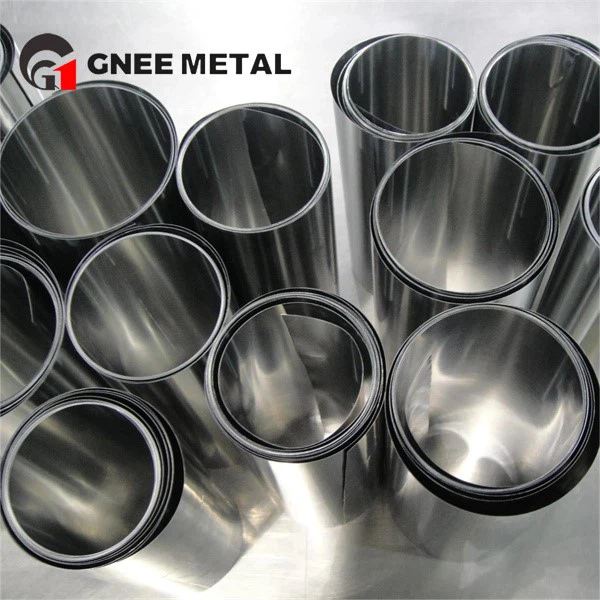
Our factory specializes in the field of international trade of titanium materials, professionally producing high-quality series products such as titanium tubes, titanium bars, titanium plates, titanium wires, and titanium strips. The factory is equipped with internationally advanced production and testing equipment, including precision forging units, high-speed cold rolling mills, vacuum melting furnaces, CNC spinning machines, continuous drawing production lines, and automated surface treatment systems. Coupled with precision testing instruments such as spectrometers and ultrasonic flaw detectors, we ensure precise control over the entire process from raw materials to finished products. We are committed to providing global customers with titanium products that offer excellent performance and a complete range of specifications through stable and reliable processes and strict quality management, meeting the application needs of high-end industries such as energy, chemical, aerospace, and medical fields.

Titanium product packaging
We place great emphasis on the transportation safety and delivery quality of our products. All titanium materials are packaged using strict industrial-grade solutions: titanium tubes and bars undergo anti-rust treatment, are tightly wrapped with waterproof stretch film, and then placed in reinforced wooden or iron boxes lined with moisture-proof paper, with fillers added to prevent sliding and collisions during transportation. Titanium plates and strips are covered with protective film, fitted with edge protectors, separated layer by layer with moisture-proof paper, loaded onto sturdy wooden or steel pallets, and securely fastened with steel straps. Fine titanium wires are neatly coiled onto specialized spools and encapsulated in sealed boxes that are waterproof and dustproof. Each packaging unit is accompanied by clear product labels, material certificates, and moisture-proof indicators, ensuring that the goods remain intact, clearly labeled, and safely delivered to global customers through long-distance sea freight and multimodal transportation.

Request Technical Consultation


