


In the realm of titanium-based materials, terms like "titanium steel," "pure titanium," and "titanium alloy" are frequently mentioned, yet their compositions, properties, and application scenarios differ significantly. This objective analysis clarifies the distinctions between the three to aid in making informed choices.
Titanium Steel: Stainless Steel Under a Commercial Name
"Titanium steel" is not a scientific term but a common name in commercial marketing. Its essence is 316L stainless steel, primarily composed of iron (Fe) along with elements like chromium (Cr), nickel (Ni), and molybdenum (Mo). Despite the name containing "titanium," it does not actually contain titanium. The use of the term "titanium steel" aims to differentiate it from ordinary stainless steel and enhance the perceived value of products like jewelry. Consumers should note that the value of titanium steel items primarily stems from their craftsmanship and design, not the presence of titanium metal.
Pure Titanium: An Industrial Material Nearing Theoretical Purity
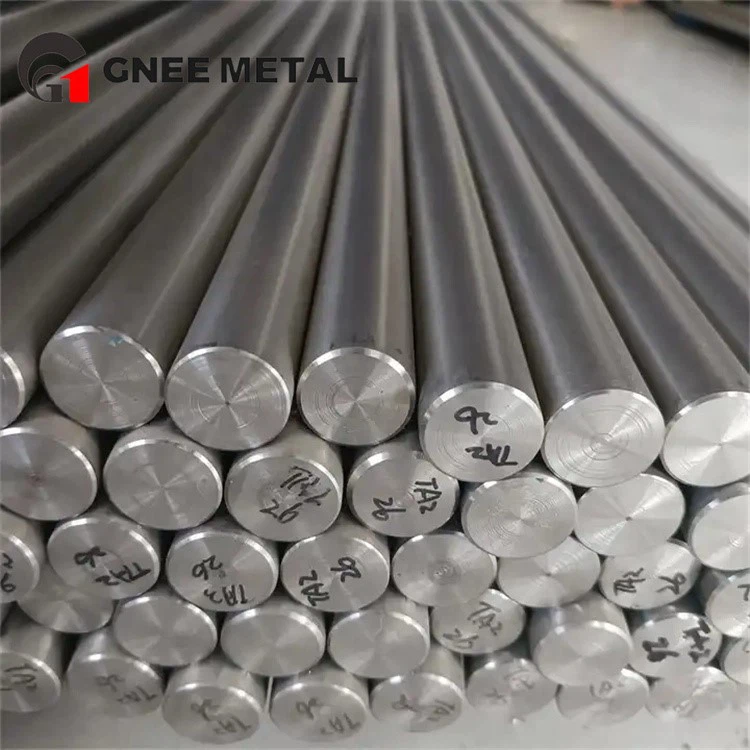
Pure titanium is a true titanium-based material. Its upstream raw material is sponge titanium, which is processed through melting, forging, and rolling to produce forms like plates, wires, and tubes. While sponge titanium is nearly 100% titanium, industrial pure titanium typically has a titanium content exceeding 95% due to its reactivity. It is graded TA1 through TA4 based on impurity (oxygen, nitrogen, hydrogen, carbon, iron) content. Higher titanium content generally means softer, lower-strength but more ductile material.
Applications: Jewelry, belt buckles (TA1 for high-ductility areas, TA2 for small parts like pins/screws), and pure titanium cups (requiring high purity, especially low hydrogen content, to prevent cracking).


Titanium Alloy: Composite Materials with Optimized Performance
Titanium alloys are combinations of titanium with other metals (e.g., aluminum, vanadium) or non-metals. They are categorized into TA, TB, and TC series based on metallographic structure. For example, TC4 (Ti-6Al-4V), consisting of 90% Ti, 6% Al, and 4% V, is the most widely used titanium alloy.
Key Advantages: Excellent comprehensive properties-stronger corrosion resistance and higher strength than pure钛, good toughness, and relatively good workability and weldability. They also possess good biocompatibility.
Applications: Aerospace (airframe structures, engine components), medical (artificial joints, dental implants), and high-end sports equipment, where high strength, corrosion resistance, and fatigue resistance are critical.
Pure Titanium vs. Titanium Alloy: How to Choose?
There is no absolute superiority; suitability depends on the application.
Cost Difference: Legitimate grade titanium alloys generally have higher material costs than pure titanium. Be wary of "pseudo-titanium alloys" that contain only trace amounts of titanium.
Performance Needs:
Choose Pure Titanium for scenarios requiring good ductility and corrosion resistance but not extremely high strength (e.g., daily-use items, jewelry).
Choose Titanium Alloy for engineering applications demanding high strength, high-temperature resistance, and fatigue resistance (e.g., aerospace, medical implants).
Discuss Your Project Requirements
Our product range
| Category | Product Name | Common Specifications (Available Upon Request) | Key Applications | |
|---|---|---|---|---|
| Titanium Tube | Seamless Titanium Tube Welded Titanium Tube |
ASTM B338 Gr1, Gr2, Gr5, Gr7, Gr9, Gr12 OD: 1mm - 300mm Wall Thickness: 0.5mm - 20mm Standards: ASTM, ASME, DIN, JIS |
Heat Exchangers, Condensers, Chemical Processing, Aerospace, Marine, Medical Implants | Get Free Sample & Evaluation |
| Titanium Sheet/Plate | Titanium Sheet Titanium Plate |
ASTM B265 Gr1, Gr2, Gr5, Gr7, Gr9, Gr12 Thickness: 0.1mm - 100mm Width: Up to 2000mm Conditions: Hot Rolled, Cold Rolled, Annealed |
Chemical Vessels, Pressure Vessels, Aerospace Structures, Marine Hardware, Architectural Cladding, Anodes | Get Free Sample & Evaluation |
| Titanium Bar/Rod | Titanium Round Bar Titanium Hexagon Bar Titanium Square Bar |
ASTM B348 Gr1, Gr2, Gr5, Gr7, Gr9, Gr12 Diameter/Section: 3mm - 300mm Length: As per requirement Forms: Forged, Rolled, Turned & Polished |
Fasteners, Valve Parts, Pump Shafts, Surgical Instruments, Sports Equipment, Automotive Components | Get Free Sample & Evaluation |
| Titanium Wire | Titanium Coil Wire Straight Titanium Wire Welding Wire |
ASTM B863 Gr1, Gr2, Gr5, Gr7, Gr9, Gr12 Diameter: 0.1mm - 10mm Forms: Annealed, Pickled Spool Weight: Customizable |
Welding Filler, 3D Printing (Wire Arc), Springs, Mesh, Medical Staples & Sutures, Fishing Tackle | Get Free Sample & Evaluation |
| Titanium Strip/Foil | Titanium Strip (Coil) Titanium Foil |
ASTM B265 Gr1, Gr2 Thickness: 0.03mm - 2.0mm Width: Up to 600mm Surface: Bright, Matte, Pickled |
Bellows, Gaskets, Honeycomb Structures, Heat Shields, Precision Instrument Parts, Battery Current Collectors | Get Free Sample & Evaluation |
Our factory
Our factory operates a dedicated production facility equipped with modern machinery for processing titanium. We have a complete set of equipment including forging presses, hot and cold rolling mills, tube drawing and welding lines, bar & wire drawing machines, and surface treatment units. This allows us to control the production process from raw material to finished products such as sheets, plates, tubes, bars, and wires. Our workshop is capable of handling large-volume orders while maintaining consistent quality across our product range.

Titanium product packaging
Our packaging is designed for maximum security and international standards. We use tailored wooden crates for heavy plates and bars, with internal waterproof wrapping and blocking to prevent movement. Tubes and coils are securely packed in wooden boxes with reinforced edges and protective end caps. For smaller items like wires and strips, we use standard export cartons with inner plastic and moisture-proof sealing. All packages are clearly marked with product details, weight, and handling instructions to ensure safe arrival. We can also customize packing methods, such as palletization or container optimization, based on specific shipping and customer requirements.

Discuss Your Project Requirements


