


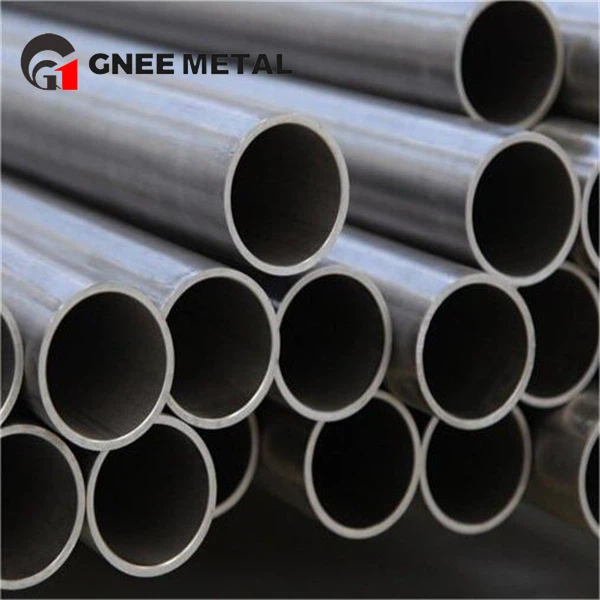
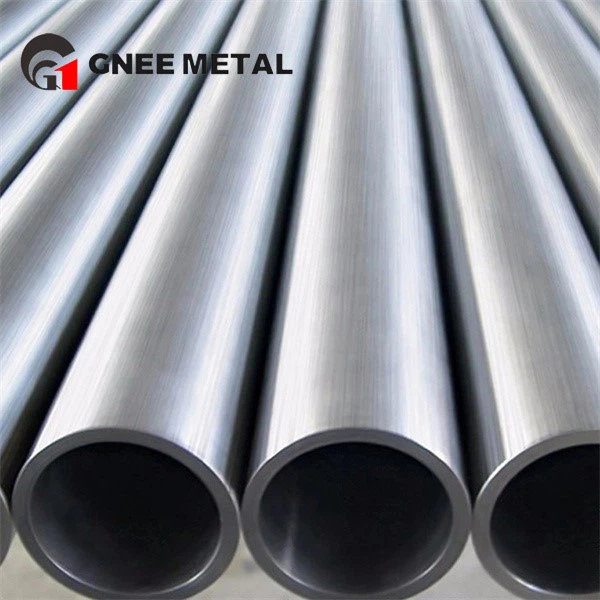
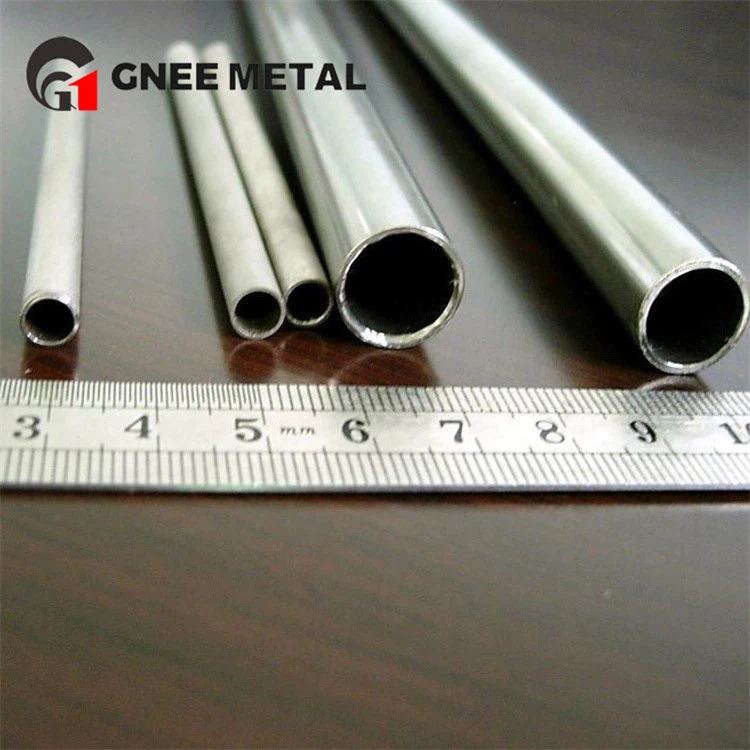
Titanium alloys have several chemical properties that make them ideal for high-performance applications in aerospace, medical devices, automotive, chemical, and marine engineering.
Corrosion Resistance
Quantitative Specification: The corrosion rate of titanium alloys can be as low as 0.01-0.1 mm/year under certain conditions.
Applications: Due to their excellent corrosion resistance, titanium alloys are suitable for structural components in the chemical industry, desalination plants, and marine engineering, as well as implants in medical devices.
Oxidation Scale Stability
Quantitative Specification: At room temperature, titanium rapidly forms a TiO2 oxide scale approximately 2-5 nanometers thick that remains stable at temperatures up to 500°C.
Applications: This stable oxide scale makes titanium alloys suitable for high-temperature applications, such as aircraft engine combustion chambers and spacecraft thermal protection systems.
Chloride Stress Corrosion Resistance
Quantitative Specification: In a 3.5% NaCl solution, the critical stress corrosion cracking stress of some titanium alloys can reach over 1000 MPa. Applications: This makes titanium alloys well-suited for use in marine environments and chlorine-containing industrial applications, such as ships, offshore platforms, and chemical equipment.

Biocompatibility
Quantitative Indicators: Cytotoxicity and sensitization tests on titanium alloys generally show low reactivity, meeting biocompatibility standards such as ISO 10993.
Applications: Consequently, titanium alloys are widely used in artificial joints, dental implants, and other medical devices.
Weldability
Quantitative Indicators: Under appropriate welding parameters, the strength of titanium alloy welded joints can reach over 90% of that of the parent material.
Applications: Good weldability makes titanium alloys suitable for applications requiring welded structures, such as bicycle and motorcycle frames, and some industrial pressure vessels.
Sulfide and Ammonia Resistance
Quantitative Indicators: In hydrogen sulfide and ammonia environments, the corrosion rate of titanium alloys is typically less than 0.1 mm/year.
Applications: This makes titanium alloys suitable for equipment and piping in the oil and gas industry, as well as in environments such as fertilizer production. Electrochemical Properties
Quantitative Indicators: In electrochemical testing, the self-corrosion potential of titanium alloys is typically between -0.5 and -1.0 volts (relative to a standard hydrogen electrode).
Applications: These stable electrochemical properties make titanium alloys suitable for electrochemical applications such as electrolytic cells, electroplating, and batteries.
Chemical Machinability
Quantitative Indicators: Titanium alloys can achieve high-precision surface finishes through chemical etching, with etching rates reaching 0.1-1 mm/min.
Applications: This makes titanium alloys suitable for components requiring fine patterns or complex shapes, such as microelectromechanical systems (MEMS).
The chemical reactivity of titanium alloys must be considered when designing and processing them, particularly during welding and heat treatment. Proper handling and processing techniques can maximize the performance and application potential of titanium alloys.
The company boasts leading domestic titanium processing production lines, including:
German-imported precision titanium tube production line (annual production capacity: 30,000 tons);
Japanese-technology titanium foil rolling line (thinnest to 6μm);
Fully automated titanium rod continuous extrusion line;
Intelligent titanium plate and strip finishing mill;
The MES system enables digital control and management of the entire production process, achieving product dimensional accuracy of ±0.01μm.


